
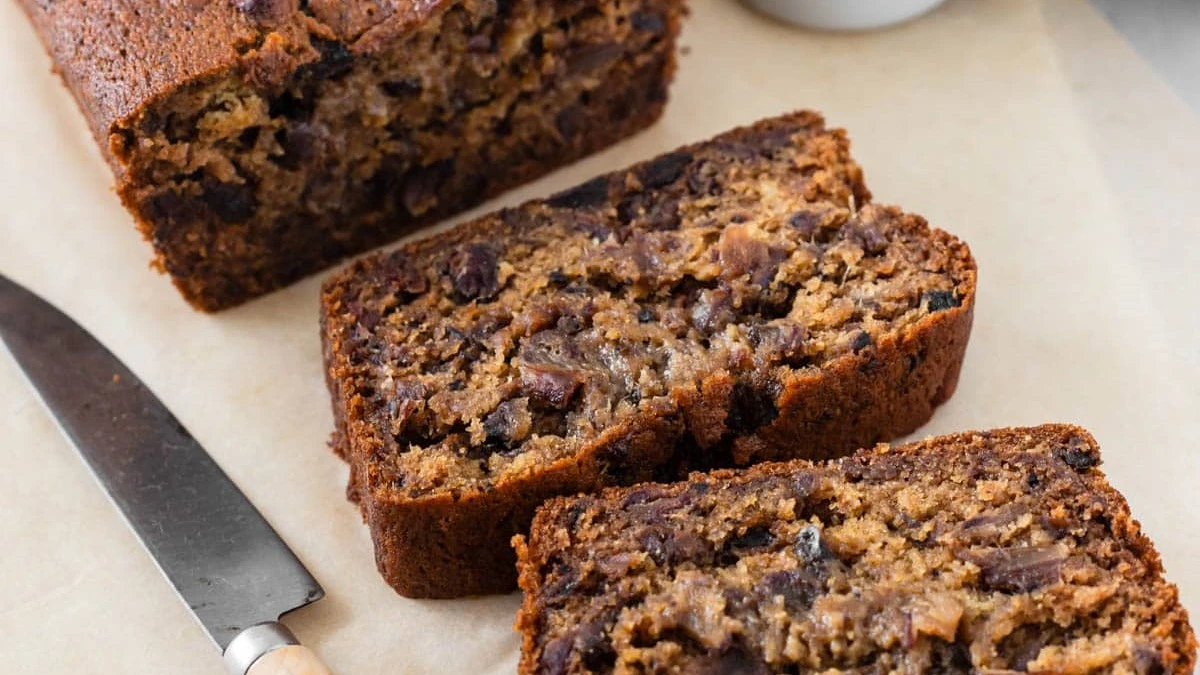
Date Ingredients 2026: How Deglet Nour Is Gaining Value in the Food Industry
From oasis palm groves to protein bars, baby cereals and barbecue sauces, the Deglet Nour date is quietly becoming one of the most sought-after natural ingredients of 2026.
TOZEUR, Tunisia. In the palm groves of the Djerid, the harvest begins in October. For generations, the golden Deglet Nour picked here ended up in fruit bowls and traditional pastries. Today, a growing share leaves the oases as date paste, date powder and date syrup, bound for food factories in Europe and beyond.
The shift reflects a changing food industry. Brands want natural sugar alternatives, short ingredient lists and products with a story, and the Deglet Nour offers all three.
Sourcing Deglet Nour Dates at Origin in Southern Tunisia
Yakutta sourced its dates directly in southern Tunisia: the Djerid around Tozeur and the Nefzaoua around Kebili, the historic home of the Deglet Nour. Intense sun, dry air and spring-fed irrigation give the fruit its amber colour and honeyed taste.
Buying at origin is a deliberate choice. It allows each batch to be matched to its end use, ensures traceability from grove to finished product, and turns lower-grade fruit and even pits into ingredients rather than waste.
But a good fruit is not enough on its own. What has really raised the value of the Deglet Nour is everything built around it.
Quality Labels and an Organised Sector: The 2026 Strategy
For a long time, dates were traded as a simple commodity. That is no longer the case.
The Deglet Nour now carries origin labels: “Deglet Nour de Nefzaoua” in Tunisia and “Deglet Nour de Tolga” in Algeria tie the fruit to its oasis and its know-how. More and more producers hold EU organic certification, often through Ecocert, or international standards such as GlobalG.A.P., and exports follow the Codex Alimentarius standard for dates. Buyers get clear, shared quality benchmarks.
Behind the labels stands an organised sector. In Tunisia, the Interprofessional Dates Group (GID) brings growers, packers and exporters together, ONAGRI tracks production and exports, and CEPEX promotes Tunisian dates abroad. In Algeria, the national export promotion authorities play the same role. Together, they set quality targets and plan for the future of the oases.
Yakutta date powder and date paste, from production to refrigerated export
The results are visible abroad. Maghreb dates are now regulars at leading food and ingredient fairs, from Gulfood in Dubai to SIAL Paris, Fi Europe and Biofach, where they are presented as a terroir product and an ingredient of the future.
Yet the most surprising change is happening in the laboratory.
Date Palm Research: Adding Value to Every Part of the Fruit
In the oases, researchers are making sure that nothing in a date goes to waste. At the Regional Research Centre for Oasis Agriculture in Degache, Tunisia, and the CRSTRA in Biskra, Algeria, scientists study the date palm and new ways to use its fruit.
With manufacturers, they have already helped create a new generation of products. Date paste, powder, syrup and jam supply the food industry, roasted pits become caffeine-free “date seed coffee” and fibre-rich flours, pit oil goes into cosmetics, and sorting rejects become animal feed. The Khalifa International Award for Date Palm and Agricultural Innovation rewards this kind of progress every year.
For the food industry, though, the most interesting results end up on supermarket shelves.
Date-Based Products in 2026: A Versatile Key Ingredient
For centuries, dates belonged to the traditional pastries of the Arab world, deeply linked to its culture and celebrations. The turning point came in May 2000, when LÄRABAR was created and brought date-based bars into the health food aisle. RXBAR in the United States and Nakd in the United Kingdom soon followed, building whole ranges on dates.
Today, dates reach everyday products: dairy drinks, yogurts, dessert creams, fruit compotes, children’s snacks and hazelnut spreads. Date powder goes into ready-to-use cake mixes and baby cereals, and specialists such as Haïfa Dattes offer Deglet Nour paste as a base for creams and spreads. Dates have even found their way into sauces, from British brown sauces such as HP Sauce and Indian chutneys to barbecue sauces and marinades.
Yakutta is at the heart of these new projects. Its date ingredients are integrated into a new generation of ready-to-cook preparations, starting with Let’s Bake, a range built around the healthy trends of 2026: dessert creams, cookies, brownies, chocolate cream and chocolate cake, all sweetened with Deglet Nour. Beyond Let’s Bake, Yakutta works alongside food brands and manufacturers on other ready-to-cook and baby food projects, supplying date ingredients tailored to each recipe.
Each preparation has its own technical requirements. A cookie mix does not call for the same date powder as a dessert cream, so particle size, colour, moisture and flowability are adjusted product by product to deliver the expected texture and taste.
Yakutta also works with partners on baby cereals, a category with some of the strictest standards in the food industry. Here, hygiene comes first: careful selection of raw materials, controlled processing and checks on every batch, in line with the regulations for foods intended for infants and young children.
Why Date Products Are the Products of 2026
This success has a simple explanation: the date answers exactly what consumers expect in 2026, starting with a clean label. According to Innova Market Insights, 60% of global consumers say they always look at ingredient lists when buying food and drinks, and a label that simply says “dates” is easy to trust.
Consumers also want less refined sugar without giving up on taste. Whole Foods Market ranks the shift from refined sugar to natural alternatives such as fruit, honey and dates among the top food trends of the year. Pastry is following the same path, with less sweet creations focused on the taste of the ingredients and cakes with a lower glycaemic index. Here, the date has a clear advantage: unlike many intense sweeteners, it leaves no aftertaste and adds fibre, colour and a gentle caramel note.
Fibre and protein are the other stars of the year, with Lactalis even describing the rise of “fiber-maxxing”, while gut-friendly drinks are among the fastest-growing beverage categories. Snacks must now be both indulgent and healthy, precisely where date bars and bites fit.
Date spreads are the product to watch. Made with date paste, cocoa and hazelnut, without palm oil and sweetened only with dates, they offer the same indulgence with a much shorter ingredient list. Versions with sesame, almond or pistachio add a Mediterranean touch.
Finally, waste is no longer acceptable. ICL Group lists circularity among the key food tech trends of 2026, and the date is a textbook case, since every part of the fruit now has a use.
Conclusion: Date Ingredients for Kids, Athletes and Sugar Reduction
Three markets stand out for food brands. Parents want healthier snacks for their children, and date powder and paste bring natural sweetness with fibre. Athletes value dates for their quick energy and potassium, which is why date paste sits at the heart of so many energy bars. And brands cutting white sugar find in dates an ingredient that adds taste and colour at the same time.
The numbers back it up. Per 100 g, Deglet Nour dates provide around 280 kcal, 8 g of fibre and over 600 mg of potassium: the profile of a whole fruit, not empty sugar. For EU markets, one rule matters: a product sweetened with dates cannot be labelled “no added sugars”, while “sweetened with dates” is accurate and compliant.
The Deglet Nour now leads a double life: a terroir fruit rooted in the oases of the Maghreb, and a modern ingredient for tomorrow’s recipes. Yakutta, a Tunisian date ingredients supplier since 2008, brings the two together with traceable date powder, paste, syrup and jam, and with its role in projects such as Let’s Bake.
For your next date-based product, contact the Yakutta team for technical data sheets and samples.
FAQ About Date Ingredients
What are date ingredients? Products made from dates for the food industry, mainly date paste, date powder, date syrup and date jam. They sweeten, bind and add flavour to recipes.
Are dates a good natural sugar alternative? Yes. Dates sweeten without aftertaste and bring fibre, potassium and a caramel note. In the EU, products sweetened with dates should be labelled “sweetened with dates”, not “no added sugars”, in line with EU rules on nutrition claims.
Why choose Deglet Nour dates for food manufacturing? Deglet Nour is a semi-dry date with a balanced, honey-like taste. It is easy to process into powders and pastes, and its origin is protected by quality labels in Tunisia and Algeria.
References
- Tunisian Ministry of Agriculture, AOC “Deglet Nour de Nefzaoua” (tn, specifications, 2021); Algerian Ministry of Agriculture, GI “Deglet Nour de Tolga” (madr.gov.dz).
- Ecocert; A.P.; Codex Alimentarius, Standard for Dates CXS 143-1985.
- GIDattes; ONAGRI; CEPEX; Algerian export promotion authorities.
- Gulfood; SIAL Paris; Fi Europe; BIOFACH.
- CRRAO Degache, Tunisia (tn); CRSTRA, Biskra, Algeria.
- Khalifa International Award for Date Palm and Agricultural Innovation.
- LÄRABAR, The LÄRABAR Story; General Mills, LÄRABAR; RXBAR; Lotus Bakeries (Nakd).
- Haïfa Dattes, Deglet Nour date paste.
- HP Sauce.
- Innova Market Insights, Global Ingredient Trends 2026, 26 March 2026; see also FoodIngredientsFirst.
- Whole Foods Market, Top food trends 2026.
- École Ducasse, Gastronomy trends 2026; Metro France, Pastry trends 2026.
- Mintel, Functional ingredients to watch in 2026; Lactalis Ingredients, Food trends 2026.
- BeverageDaily, Functional beverage trends; Forbes, Functional beverages in 2026.
- CBNews, Food innovation trends 2026.
- ICL Group, Food Tech Trends 2026.
- USDA FoodData Central, Deglet Noor dates.
- EU Regulation (EC) No 1924/2006 on nutrition and health claims.
 EN
EN  FR
FR  ES
ES  DE
DE  IT
IT