
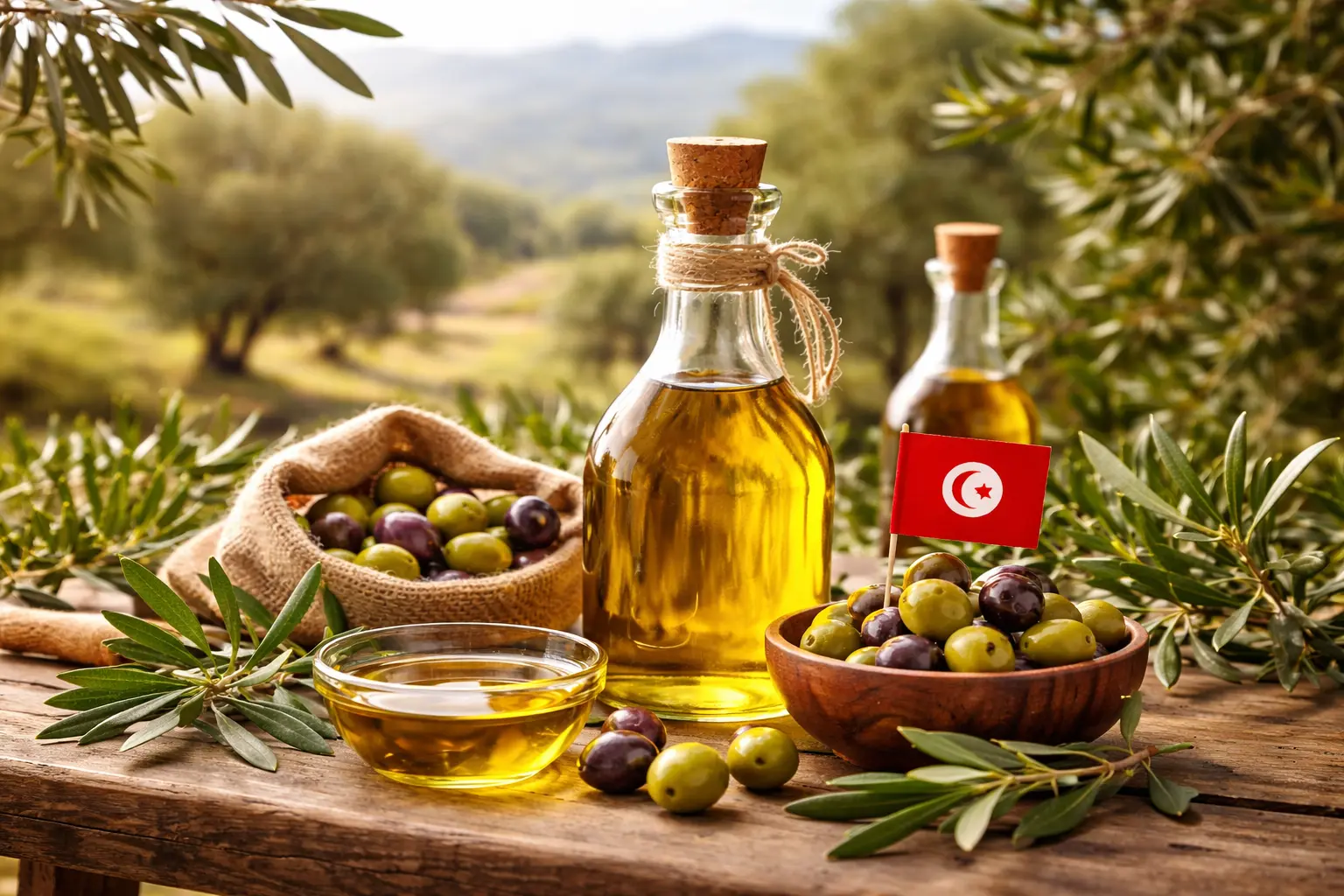
Tunisian Olive Oil: Heritage, Benefits, and Global Excellence
When international food brands and buyers look for high-quality edible oils, their search increasingly leads to North Africa. Tunisia olive oil stands out globally for its exceptional quality, rich flavour profiles, and sustainable production methods. As one of the world’s leading producers, Tunisia offers a compelling proposition for businesses looking to secure a reliable, high-grade product.
For large businesses and distributors, understanding what makes this region unique is essential. This guide explores the agricultural heritage, distinct varieties, and commercial advantages of sourcing Tunisian olive oil. Whether you need bulk supply or a premium bottled product, discovering the excellence of this Mediterranean powerhouse will transform your procurement strategy.
The History of Tunisian Olive Oil
Olive cultivation in Tunisia spans over 3,000 years, making it one of the oldest and most continuous agricultural traditions in the Mediterranean. Ancient Phoenician traders first introduced olive trees to the region, creating a foundation for thriving olive oil production. Later, the Roman Empire expanded these groves extensively, turning North Africa into a major olive oil supplier for Europe and the wider Mediterranean.
Today, this rich heritage remains deeply woven into the country’s culture. Olive cultivation is not just an economic activity; it is a symbol of Tunisian identity. Generations of farmers maintain traditional practices, emphasizing careful cultivation, harvesting, and pressing methods. From daily family meals to festive culinary traditions, olive oil is integral to the Tunisian lifestyle.
Fact: Tunisia is home to over 82 million olive trees, making it the fourth-largest producer of olive oil in the world. The country produces approximately 320,000 to 400,000 tonnes of olive oil annually, accounting for nearly 10% of global production.
Main Tunisian Olive Oil Varieties
For international buyers, the diversity of Tunisian olive oil is a significant advantage. The country produces several distinct cultivars, each shaped by local terroir, climate, and soil conditions.
- Chemlali: Predominantly grown in central and southern Tunisia, Chemlali produces smooth, mild, and balanced oil. Its delicate fruitiness makes it ideal for blending or for products requiring a softer flavor footprint. This variety accounts for over 60% of Tunisia’s total olive oil output.
- Chetoui: Found mainly in northern Tunisia, Chetoui is known for its robust, peppery flavour and high polyphenol content. This makes it particularly attractive to health-conscious brands seeking antioxidant-rich oils. Chetoui represents approximately 20% of national production and is highly sought after for premium single-origin products.
- Other Varieties: Tunisia also cultivates less common olives like Sigoise, Zalmati, and Oueslati, which are increasingly used in boutique oils and specialty blends.
Insight: The variety and regional differentiation allow manufacturers to select oils tailored to specific applications, from mild culinary oils for large-scale food production to intense finishing oils for gourmet markets.
Key Olive-Growing Regions in Tunisia
Geography plays a critical role in shaping the final product. Tunisia’s diverse climate zones create distinct growing environments that directly impact the flavour and quality of the yield.
- Sfax and the Sahel: Located in the central and eastern coastal areas, these regions benefit from a mild Mediterranean climate. They primarily cultivate the Chemlali variety, producing millions of tonnes of smooth, accessible oil.
- Zaghouan and Béja: Situated in the north, these areas experience higher rainfall and cooler temperatures. This environment perfectly suits the Chetoui olive, resulting in robust oils with a strong, complex character.
- Other Notable Regions:
- Kairouan, Sousse, and Nabeul produce a mix of Chemlali and specialty cultivars
- Mountainous areas provide unique terroir for small-batch premium oils
The stark contrast between the north and south allows Tunisia to offer a highly diversified portfolio to the global market.
Sustainable Production Practices
Tunisia is a global pioneer in sustainable olive cultivation. The arid climate naturally resists many pests, reducing the need for chemical treatments. Many farms employ organic or integrated farming practices, producing certified organic extra virgin olive oil with minimal environmental impact.
- Harvesting: Most olives are still hand-picked, preventing bruising and preserving delicate flavours.
- Cold Pressing: Modern mills use temperature-controlled cold pressing to retain aroma, flavour, and nutritional integrity.
- Storage: Oils are stored in stainless steel, nitrogen-flushed tanks to prevent oxidation.
Sustainability Stats: Tunisia has over 250,000 hectares of organically farmed olive groves, making it the largest organic olive oil producer in Africa. This aligns perfectly with global trends toward clean-label and environmentally responsible sourcing.
How Tunisian Olive Oil Is Produced
Quality begins at the harvest. The Tunisian olive harvest season typically runs from November to March. Unlike heavily industrialised agricultural sectors, many Tunisian farmers still rely on traditional hand-picking methods. This careful approach prevents bruising and ensures the fruit reaches the mill in pristine condition.
Once harvested, the olives undergo a rigorous cold pressing process. Modern extraction facilities maintain strict temperature controls to preserve the oil’s natural aromas and chemical integrity. Proper storage in stainless steel, nitrogen-flushed tanks further protects the oil from oxidation.
Furthermore, the country is a global pioneer in sustainable agriculture. The arid climate naturally resists many common pests, meaning farmers rarely need chemical interventions. As a result, sourcing organic Tunisian olive oil is incredibly straightforward for brands prioritising clean-label ingredients.
Health Benefits of Tunisian Olive Oil
Modern consumers actively seek out foods that support long-term wellness. Extra virgin olive oil Tunisia delivers heavily on this front. The careful production methods preserve a wealth of nutritional benefits, making it a highly marketable ingredient for health brands.
The oil is naturally rich in powerful antioxidants and high in healthy monounsaturated fats. Regular consumption supports heart health, helps manage cholesterol levels, and provides significant anti-inflammatory benefits. As a cornerstone of the Mediterranean diet, this Mediterranean olive oil appeals directly to health-conscious shoppers looking for authentic, beneficial fats.
Culinary Uses
The versatility of this product makes it highly attractive to the food service and manufacturing sectors. The milder Chemlali works beautifully in delicate salad dressings, commercial mayonnaise, and subtle marinades. Its balanced profile enhances flavours without overpowering other ingredients.
The robust Chetoui shines in applications requiring a stronger presence. It pairs perfectly with hearty dishes, traditional couscous, and grilled vegetables or fish. Premium restaurants and gourmet food brands also utilise these bolder oils as finishing drizzles to elevate the final presentation of a meal.
Tunisian Olive Oil in Global Markets
Tunisia consistently ranks among the top olive oil exporters globally. While historically known for supplying bulk oils to European nations for blending, the industry is rapidly evolving. Today, there is massive growth in premium, domestically branded exports.
International buyers choose this region for its unmatched combination of volume, quality, and competitive pricing. Whether a business requires mass-market blends or boutique, single-estate varieties, the market can deliver. For procurement managers, exploring Tunisian olive oil wholesale opportunities provides a strategic advantage in a highly volatile global commodity market.
How to Choose High-Quality Tunisian Olive Oil
When evaluating a premium olive oil supplier, buyers must look closely at several critical factors to ensure consistency and quality.
First, always verify the harvest date to guarantee freshness. Next, understand the specific region and variety you are purchasing, as this dictates the flavour profile. Ensure the product holds genuine cold-pressed and extra virgin certifications. Finally, request chemical analysis reports to check acidity levels and peroxide values. A reputable supplier will provide complete transparency regarding their testing and packaging standards.
Market Insights & Statistics
- Global Olive Oil Consumption: In 2025, global consumption reached 3.2 million tonnes, with Europe leading at 56% of the market.
- Premium Segment Growth: Demand for high-polyphenol, single-origin olive oils is growing at 8% CAGR, signaling a strong market opportunity for Tunisian products.
- Pricing Advantage: Tunisia offers competitive pricing, often 10–15% lower than European producers, without compromising quality.
Fact: Tunisia exports around 80% of its olive oil, primarily to Italy, Spain, France, and the USA. Bulk supply remains a key segment, but branded, value-added products are increasingly popular.
Conclusion
Tunisian olive oil stands out on the global stage by perfectly combining ancient agricultural heritage with modern quality standards. The unique varietals, incredible health benefits, and massive wholesale capacity make it an invaluable asset for international food brands.
By diversifying your supply chain to include North African production, you protect your margins while offering consumers a truly exceptional product. Are you ready to elevate your commercial ingredient sourcing? Partner with a trusted wholesale supplier today and discover the commercial power of premium Tunisian olive oil.
 EN
EN  FR
FR  ES
ES  DE
DE  IT
IT