
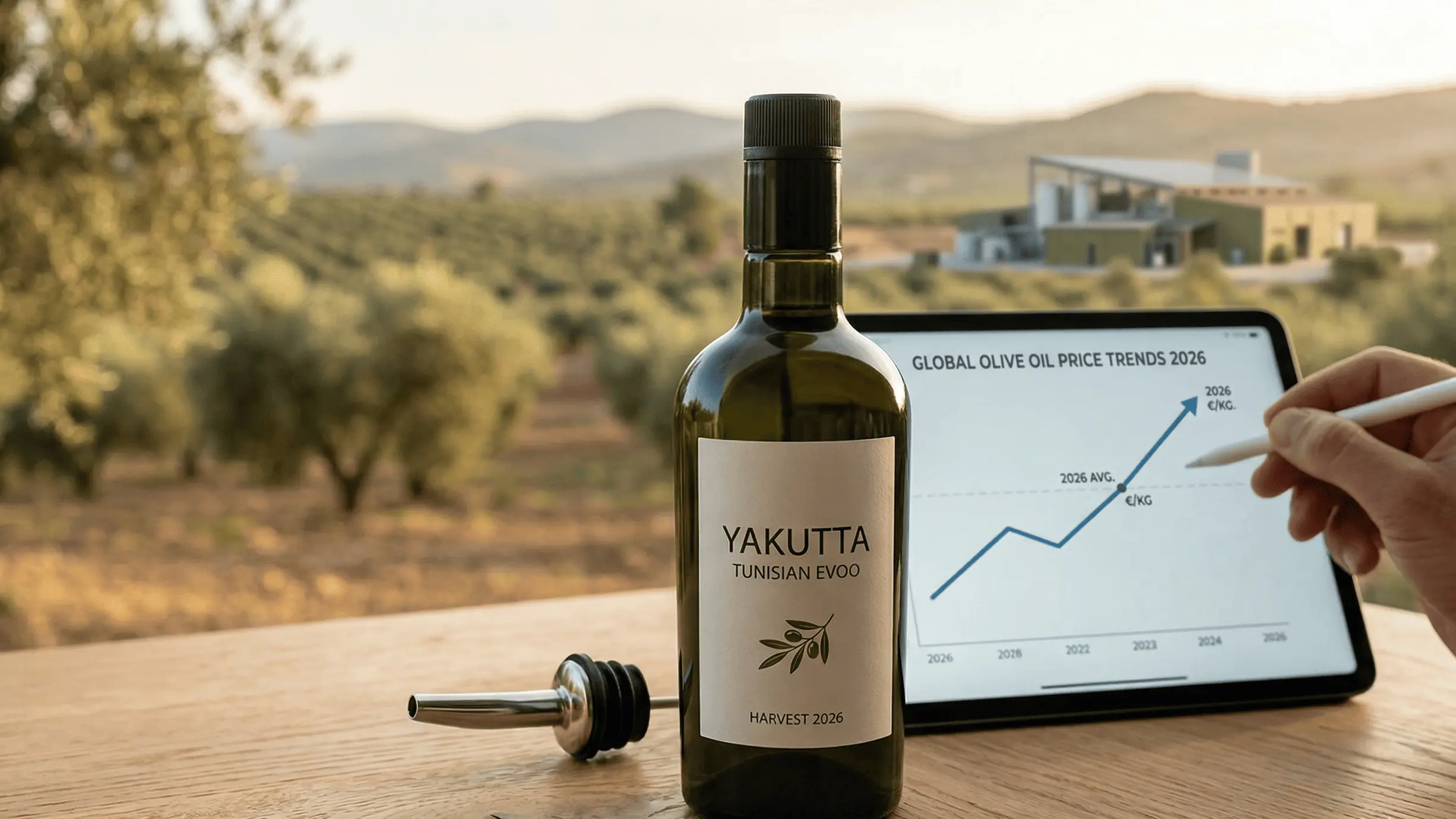
Navigating Olive Oil Market Trends 2026
Have you noticed the changing dynamics in the global edible oils sector? The past few years have tested the resilience of suppliers, buyers, and consumers alike. As we look ahead, Olive oil market trends 2026 highlight a landscape marked by robust growth, yet challenged by climate volatility and supply disruptions.
Global consumption is officially forecasted to reach 3.25 million tonnes for the 2025/26 season, which represents a 1% year-over-year increase. This steady rise shows that despite economic pressures, consumers remain incredibly loyal to their favourite liquid gold.
In this comprehensive guide, we will explore the major shifts shaping the global olive oil market. You will learn about the impact of climate change on production, the reasons behind continued price volatility, and the massive surge in global imports. Whether you manage ingredient sourcing for a massive food brand or run an independent retail chain, understanding these movements will help you make smarter purchasing decisions.
The Global Outlook for the Olive Oil Industry
The broader olive oil industry is currently experiencing a fascinating period of expansion and premiumisation. Analysts project that the market will expand at a compound annual growth rate (CAGR) of 5.5% to 7.5% over the next decade. By 2034, key regional markets could reach valuations between $14.23 billion and $21.22 billion.
This impressive growth stems primarily from a surging demand for premium products. Consumers willingly pay a premium for high-quality extra virgin olive oil, PDO-certified variants, and strictly organic options. They want absolute certainty regarding origin verification and production standards.
When looking closely at Olive oil market trends 2026, we see that buyers increasingly view these premium oils not just as basic cooking ingredients, but as essential lifestyle products. The drive for quality pushes the entire sector to elevate its standards, benefiting diligent producers and discerning shoppers alike.
Climate Volatility and the Reality of Olive Oil Supply
You cannot discuss the future of agricultural commodities without addressing the weather. Climate change heavily dictates olive oil supply, creating unprecedented challenges for traditional growing regions. Severe droughts, intense heatwaves, and highly erratic precipitation have devastated groves across Spain, Tunisia, and Morocco.
In some North African regions, yields have drastically halved per tree. Spain’s famous Jaén groves perfectly exemplify the severe effects of weather whiplash. Heavy rains followed by intense dry spells stress the trees, leading to unpredictable harvests. Environmental models suggest that drought persistence could rise to between 21% and 33% at just 1.5°C of global warming.
These environmental hurdles severely restrict the volume of olives available for pressing. Consequently, finding a reliable olive oil supplier who utilises advanced irrigation and sustainable farming practices is more critical than ever. Buyers must look beyond traditional regions and actively seek producers who can weather these climatic storms.
Understanding High Olive Oil Prices and Volatility
If you purchase bulk olive oil for commercial use, you already know the pain of recent price hikes. Olive oil prices continue to fluctuate wildly due to critically low global stocks, lingering harvest uncertainties, and unpredictable weather patterns.
Early 2026 might see some welcome softening of prices if Mediterranean production successfully rebounds. However, do not expect a permanent return to historical lows. Ongoing tariffs, invasive pests, and persistent droughts will sustain these price swings. We clearly see this volatility in Italy, where producers currently operate on much thinner profit margins to stay competitive.
Market supply and price stabilisation remain closely tied to Mediterranean harvests. Even if Spain recovers its usual output volumes, broader climate risks and international trade barriers will delay complete market stabilisation. Global stocks are entering 2026 at historically low levels, keeping upward pressure on the baseline costs.
Premiumisation and the Rise of Extra Virgin Olive Oil
Health and lifestyle choices actively drive massive olive oil demand worldwide. EVOO trends heavily in preventive wellness circles, famously anchoring the Mediterranean diet. Consumers increasingly recognise the incredible benefits of anti-inflammatory nutrition and incorporate these healthy fats into their daily routines.
This lifestyle shift positions premium olive oil as a versatile household staple. We see massive adoption rates in regions traditionally dominated by butter or seed oils, such as the United States and the Nordic countries. People even utilise high-phenolic oils in their personal beauty and skincare routines.
Because shoppers want the best possible health benefits, they specifically seek out verifiable extra virgin olive oil. They study labels, research harvest dates, and demand transparency. Brands that can deliver and prove this high level of quality will capture the most lucrative segments of the olive oil market.
Shifting Dynamics in Olive Oil Trade and Exports
Despite lower yields and higher prices, the appetite for international olive oil trade grows stronger. Olive oil export data reveals fascinating shifts in global consumption. Imports surged between 13.8% and 15.1% in the October to December 2025 period across several massive markets.
The United States imported an impressive 437,000 tonnes, marking a 20.6% increase from the prior year. Brazil saw a staggering 62% jump in imports, while Canada and Australia grew by 25% and 17%, respectively.
To meet this booming demand, dominant suppliers like Spain (which saw a 20% export boost), Tunisia, and Turkey continue to lead the charge. However, the current landscape forces olive oil distribution networks to diversify. Relying on a single country of origin presents too much risk. Smart importers now build robust networks across multiple continents to ensure a steady, uninterrupted flow of goods.
Supply Chain Traceability in Food Manufacturing
Fraud remains a persistent threat within the food industry, particularly concerning premium commodities. To combat this, technology steps in to save the day. Digital tools like blockchain, IoT sensors, RFID tags, and scannable QR codes now actively combat up to 80% of fraud in Italian EVOO supply chains.
These sophisticated systems ensure absolute authenticity from the olive grove straight to the consumer’s bottle. The global market for this specific traceability technology is projected to hit $30.5 billion by 2030. More importantly for businesses, implementing these tools can cut operational costs by 3% to 15%.
For companies involved in food manufacturing, this level of transparency is non-negotiable. Olive oil market trends 2026 heavily emphasise the need for verifiable supply chains. When a brand claims to use pure Mediterranean oil in its recipes, modern consumers expect digital proof of that claim.
Strategic Sourcing for Buyers and Brands
How should commercial buyers react to these Olive oil market trends 2026? The answer lies in extreme agility and strategic foresight. First, you must completely diversify your origins. Never rely on a single harvest region. If Spain suffers a drought, you need immediate backup lines from Turkey, Greece, or South America.
Second, secure your contracts early. Volatility heavily favours agile traders who hedge their bets via agricultural futures. Waiting for the spot market usually results in paying massive premiums. Prioritise building long-term relationships with highly resilient suppliers who invest in modern irrigation and sustainable soil management.
Finally, leverage traceability to your advantage. Whether you source ingredients for a massive snack brand or bottle a bespoke private label olive oil, verifiable quality allows you to command premium pricing. When you practice smart ingredient sourcing, you protect your profit margins and build lasting consumer trust.
Embracing the Future of the Market
The next twelve months will undoubtedly test the resilience of the global supply chain. Olive oil market trends 2026 clearly show a sector balancing on the edge of massive consumer demand and severe ecological constraints.
By understanding climate impacts, embracing traceability technology, and securing diverse supply lines, your business can successfully navigate this complex landscape. Adaptability will separate the market leaders from those left behind.
Take action today by auditing your current supply chain. Reach out to multiple international suppliers, request detailed traceability reports, and lock in your bulk contracts before the next unpredictable harvest season begins.

Related Posts
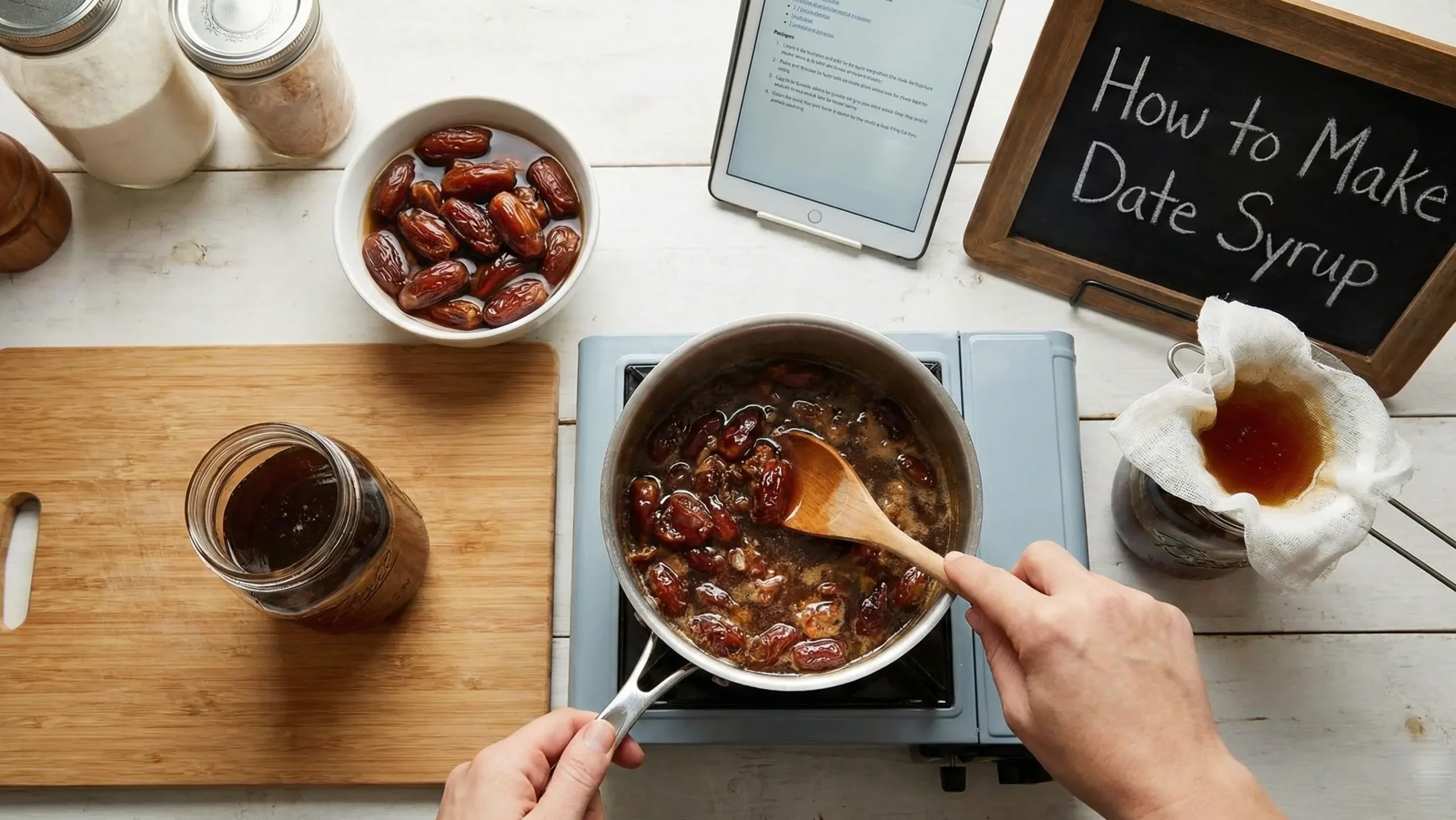
How to make date syrup
In the quest for healthier, more natural alternatives to refined sugar, many of us find ourselves st
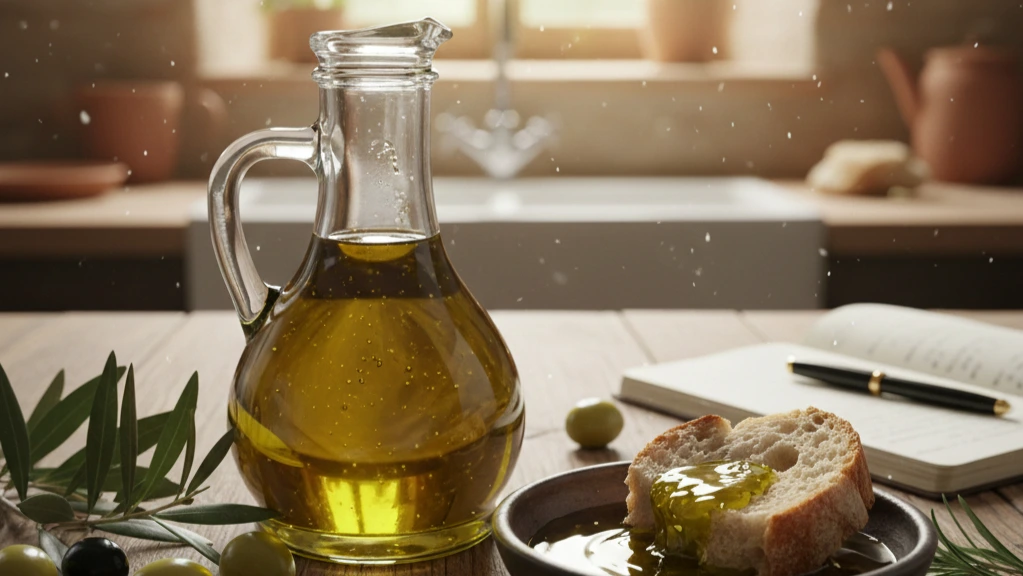
The Best Extra Virgin Olive Oil of 2025: Organic, Cold Pressed & Top Picks
Finding the best extra virgin olive oil can drive significant differentiation and value for brands,

Why Investing in Olive Oil Wholesale is a Smart Move
The global olive oil industry is thriving, offering unparalleled opportunities for businesses and in
 EN
EN  FR
FR  ES
ES  DE
DE  IT
IT