
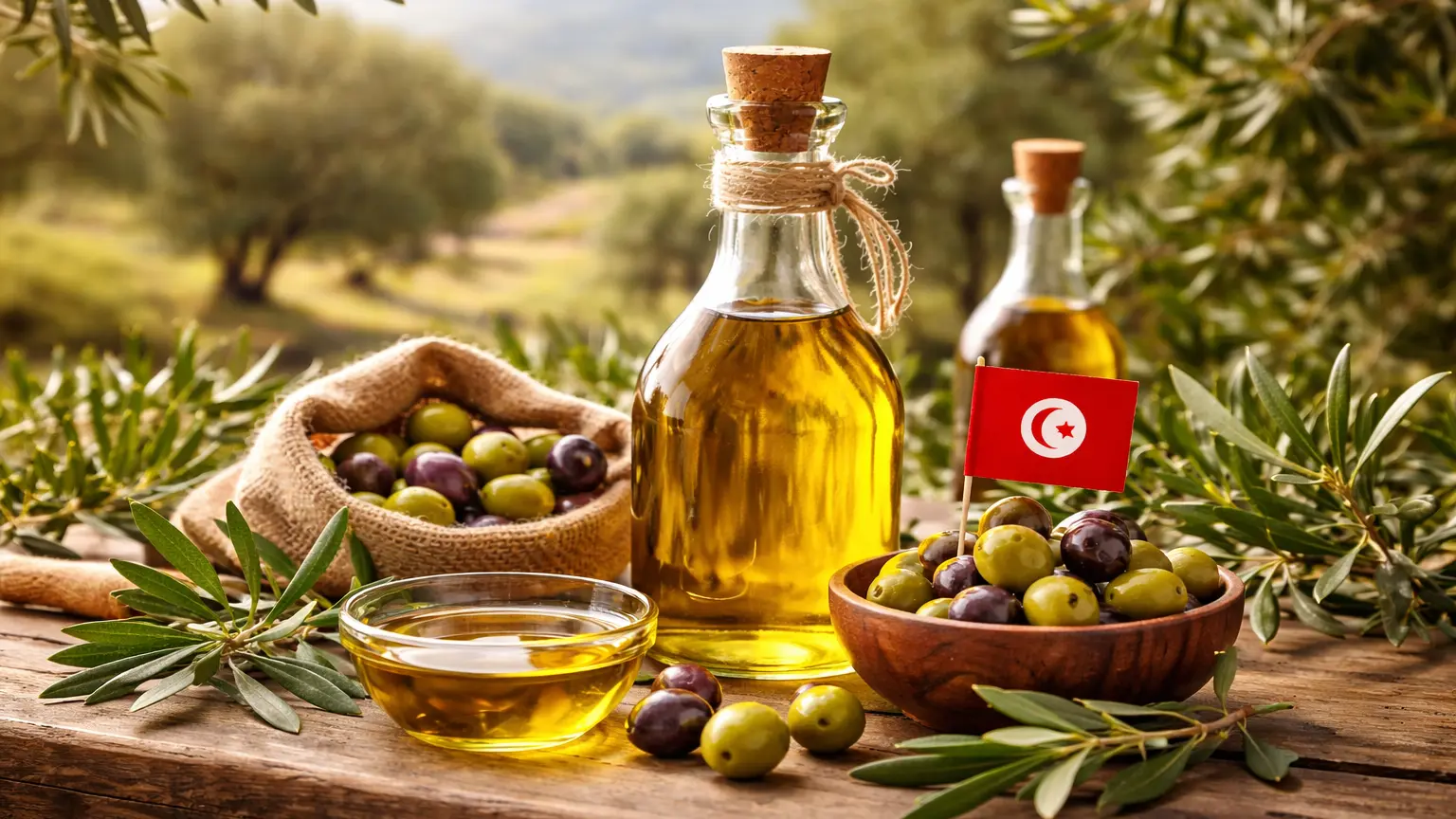
Olio d’Oliva Tunisino: Eredità, Benefici ed Eccellenza Globale
Quando i marchi alimentari internazionali e gli acquirenti cercano oli alimentari di alta qualità, la loro attenzione si rivolge sempre più al Nord Africa. L’olio d’oliva tunisino si distingue a livello globale per la sua qualità eccezionale, i ricchi profili aromatici e i metodi di produzione sostenibili. Come uno dei principali produttori mondiali, la Tunisia offre una proposta convincente alle aziende che cercano di assicurarsi un prodotto affidabile e di alta qualità.
Per le grandi aziende e i distributori, comprendere ciò che rende unica questa regione è fondamentale. Questa guida esplora il patrimonio agricolo, le varietà distintive e i vantaggi commerciali nell’approvvigionamento di olio d’oliva tunisino. Che abbiate bisogno di forniture all’ingrosso o di un prodotto imbottigliato premium, scoprire l’eccellenza di questo protagonista mediterraneo trasformerà la vostra strategia di approvvigionamento.
Per i team di approvvigionamento che pianificano importazioni su larga scala, questa competenza regionale diventa ancora più preziosa nella costruzione di una strategia di sourcing di olio d’oliva all’ingrosso resiliente.
La storia dell’olio d’oliva tunisino
La coltivazione degli ulivi in Tunisia ha una storia di oltre 3.000 anni, rendendola una delle tradizioni agricole più antiche e continue del Mediterraneo. I mercanti fenici dell’antichità furono i primi a introdurre gli ulivi nella regione, creando le basi per una fiorente produzione di olio d’oliva. Successivamente, l’Impero Romano ampliò estesamente questi uliveti, trasformando il Nord Africa in un importante fornitore di olio d’oliva per l’Europa e l’intero Mediterraneo.
Oggi questo ricco patrimonio rimane profondamente radicato nella cultura del paese. La coltivazione degli ulivi non è solo un’attività economica; è un simbolo dell’identità tunisina. Generazioni di agricoltori mantengono pratiche tradizionali, ponendo particolare attenzione alla coltivazione, alla raccolta e alla spremitura. Dai pasti quotidiani in famiglia alle tradizioni culinarie festive, l’olio d’oliva è parte integrante dello stile di vita tunisino.
Fatto: La Tunisia ospita oltre 82 milioni di ulivi, rendendola il quarto produttore mondiale di olio d’oliva. Il paese produce circa 320.000–400.000 tonnellate di olio d’oliva all’anno, rappresentando quasi il 10% della produzione globale.
Principali varietà di olio d’oliva tunisino
Per gli acquirenti internazionali, la diversità di Tunisian olive oil rappresenta un vantaggio significativo. Il paese produce diverse cultivar distinte, ciascuna modellata dal terroir locale, dal clima e dalle condizioni del suolo.
- Chemlali: Coltivata prevalentemente nel centro e nel sud della Tunisia, la Chemlali produce un olio morbido, delicato ed equilibrato. La sua fruttuosità delicata la rende ideale per miscele o prodotti che richiedono un profilo di sapore più leggero. Questa varietà rappresenta oltre il 60% della produzione totale di olio d’oliva tunisino.
- Chetoui: Coltivata principalmente nel nord della Tunisia, la Chetoui è nota per il suo sapore robusto e pepato e per l’elevato contenuto di polifenoli. Questo la rende particolarmente interessante per i marchi attenti alla salute che cercano oli ricchi di antiossidanti. La Chetoui rappresenta circa il 20% della produzione nazionale ed è molto ricercata per prodotti premium a origine singola.
- Altre varietà: La Tunisia coltiva anche olive meno comuni come Sigoise, Zalmati e Oueslati, che vengono sempre più utilizzate in oli boutique e miscele speciali.
Approfondimento La varietà e la differenziazione regionale consentono ai produttori di selezionare oli adatti a specifiche applicazioni, dagli oli culinari delicati per la produzione alimentare su larga scala agli oli intensi di finitura per i mercati gourmet.
Principali regioni di coltivazione degli ulivi in Tunisia
La geografia gioca un ruolo fondamentale nel determinare il prodotto finale. Le diverse zone climatiche della Tunisia creano ambienti di coltivazione distinti che influenzano direttamente il sapore e la qualità del raccolto.
- Zaghouan e Béja: Situate a nord, queste aree registrano maggiori precipitazioni e temperature più fresche. Questo ambiente si adatta perfettamente all’olivo Chetoui, producendo oli robusti dal carattere forte e complesso.
- Zaghouan e Béja: Situate nel nord, queste aree godono di maggiori precipitazioni e temperature più fresche. Questo ambiente si adatta perfettamente all’oliva Chetoui, dando origine a oli robusti dal carattere forte e complesso.
- Altre Regioni Notevoli:
- Kairouan, Sousse e Nabeul producono un mix di cultivar Chemlali e specializzate
- Le aree montuose offrono un terroir unico per oli pregiati di piccole produzioni
Il netto contrasto tra nord e sud consente alla Tunisia di offrire un portafoglio altamente diversificato sul mercato globale.
Pratiche di produzione sostenibile
La Tunisia è un pioniere globale nella coltivazione sostenibile dell’olivo. Il clima arido resiste naturalmente a molti parassiti, riducendo la necessità di trattamenti chimici. Molte aziende agricole adottano pratiche biologiche o integrate, producendo olio extravergine di oliva biologico certificato con un impatto ambientale minimo.
- Raccolta: La maggior parte delle olive viene ancora raccolta a mano, evitando ammaccature e preservando i sapori delicati.
- Spremitura a freddo: I frantoi moderni utilizzano una spremitura a freddo a temperatura controllata per preservare aroma, sapore e integrità nutrizionale.
- Stoccaggio: Gli oli vengono conservati in serbatoi di acciaio inox saturati con azoto per prevenire l’ossidazione.
Le statistiche sulla sostenibilità sono particolarmente notevoli: la Tunisia dispone di oltre 144.000 ettari di uliveti coltivati con metodo biologico, rendendola il leader mondiale nella produzione di olio d’oliva biologico. Questo si allinea perfettamente con le tendenze globali verso un approvvigionamento clean label e responsabile dal punto di vista ambientale.
Come viene prodotto l’olio d’oliva tunisino
La qualità inizia con la raccolta. La stagione della raccolta delle olive in Tunisia va generalmente da novembre a marzo. A differenza dei settori agricoli fortemente industrializzati, molti agricoltori tunisini si affidano ancora a metodi tradizionali di raccolta a mano. Questo approccio attento evita ammaccature e garantisce che il frutto arrivi al frantoio in condizioni perfette.
Una volta raccolte, le olive vengono sottoposte a un rigoroso processo di spremitura a freddo. Gli impianti moderni di estrazione mantengono un rigoroso controllo della temperatura per preservare gli aromi naturali e l’integrità chimica dell’olio. La conservazione corretta in serbatoi di acciaio inox purgati con azoto protegge ulteriormente l’olio dall’ossidazione.
Inoltre, il paese è un pioniere mondiale nell’agricoltura sostenibile. Il clima arido resiste naturalmente a molti parassiti comuni, il che significa che gli agricoltori hanno raramente bisogno di interventi chimici. Di conseguenza, procurarsi olio d’oliva biologico tunisino è estremamente semplice per i brand che privilegiano ingredienti “clean-label”.
Benefici per la salute dell’olio d’oliva tunisino
I consumatori moderni cercano attivamente alimenti che favoriscano il benessere a lungo termine. L’olio extravergine di oliva tunisino soddisfa pienamente questa esigenza. I metodi di produzione accurati preservano una grande ricchezza di nutrienti, rendendolo un ingrediente altamente interessante per i brand orientati alla salute.
L’olio è naturalmente ricco di potenti antiossidanti e di grassi monoinsaturi salutari. Il consumo regolare supporta la salute del cuore, aiuta a gestire i livelli di colesterolo e offre significativi benefici antinfiammatori. Come pilastro della dieta mediterranea, questo olio d’oliva mediterraneo attrae direttamente i consumatori attenti alla salute alla ricerca di grassi autentici e benefici.
Usi culinari
La versatilità di questo prodotto lo rende molto interessante per i settori della ristorazione e della produzione alimentare. Il Chemlali più delicato funziona splendidamente in condimenti per insalate delicati, maionese commerciale e marinate sottili. Il suo profilo equilibrato esalta i sapori senza sovrastare gli altri ingredienti.
Il robusto Chetoui brilla nelle preparazioni che richiedono una presenza più marcata. Si abbina perfettamente a piatti sostanziosi, couscous tradizionale e verdure o pesce alla griglia. Ristoranti di alta gamma e brand gourmet utilizzano anche questi oli più decisi come filo finale per esaltare la presentazione di un piatto.
L’olio d’oliva tunisino nei mercati globali
La Tunisia si colloca costantemente tra i principali esportatori mondiali di olio d’oliva. Storicamente nota per fornire oli sfusi ai paesi europei per miscelazioni, l’industria sta evolvendo rapidamente. Oggi si registra una crescita massiccia delle esportazioni premium con marchi domestici.
Gli acquirenti internazionali scelgono questa regione per la sua combinazione senza pari di volume, qualità e prezzi competitivi. Che un’azienda necessiti di miscele per il mercato di massa o varietà boutique da una singola tenuta, il mercato può soddisfare la domanda. Per i responsabili degli acquisti, esplorare le opportunità di olio d’oliva tunisino all’ingrosso rappresenta un vantaggio strategico in un mercato globale delle materie prime altamente volatile.
Come scegliere olio d’oliva tunisino di alta qualità
Quando si valuta un fornitore di olio d’oliva premium, gli acquirenti devono esaminare attentamente diversi fattori critici per garantire coerenza e qualità.
Per prima cosa, verificate sempre la data di raccolta per garantire la freschezza. Successivamente, informatevi sulla regione e sulla varietà specifica che state acquistando, poiché ciò determina il profilo aromatico. Assicuratevi che il prodotto abbia autentiche certificazioni di spremitura a freddo e extravergine. Infine, richiedete i rapporti di analisi chimiche per controllare i livelli di acidità e i valori di perossido. Un fornitore affidabile fornirà completa trasparenza riguardo agli standard di test e confezionamento.
Approfondimenti e statistiche di mercato
- Consumo globale di olio d’oliva: Nel 2025, il consumo globale ha raggiunto 3,2 milioni di tonnellate, con l’Europa al 56% del mercato.
- Crescita del segmento premium: La domanda di oli d’oliva monovarietali ad alto contenuto di polifenoli sta crescendo con un CAGR dell’8 %, segnalando una forte opportunità di mercato per i prodotti tunisini.
- Vantaggio di prezzo: La Tunisia offre prezzi competitivi, spesso dal 10 al 15 % inferiori rispetto ai produttori europei, senza compromettere la qualità.
Fatto: La Tunisia esporta circa l’80 % del suo olio d’oliva, principalmente verso Italia, Spagna, Francia e Stati Uniti. La fornitura sfusa rimane un segmento chiave, ma i prodotti di marca a valore aggiunto sono sempre più popolari.
Conclusione
L’olio d’oliva tunisino si distingue sulla scena globale combinando perfettamente un antico patrimonio agricolo con standard di qualità moderni. Le varietà uniche, gli incredibili benefici per la salute e l’enorme capacità di vendita all’ingrosso lo rendono una risorsa preziosa per i brand alimentari internazionali.
Diversificando la vostra catena di approvvigionamento per includere la produzione del Nord Africa, proteggete i vostri margini offrendo al contempo ai consumatori un prodotto davvero eccezionale. Siete pronti a elevare l’acquisto dei vostri ingredienti commerciali? Collaborate oggi con un fornitore all’ingrosso affidabile e scoprite il potenziale commerciale dell’olio d’oliva tunisino premium.
 IT
IT  EN
EN  FR
FR  ES
ES  DE
DE