
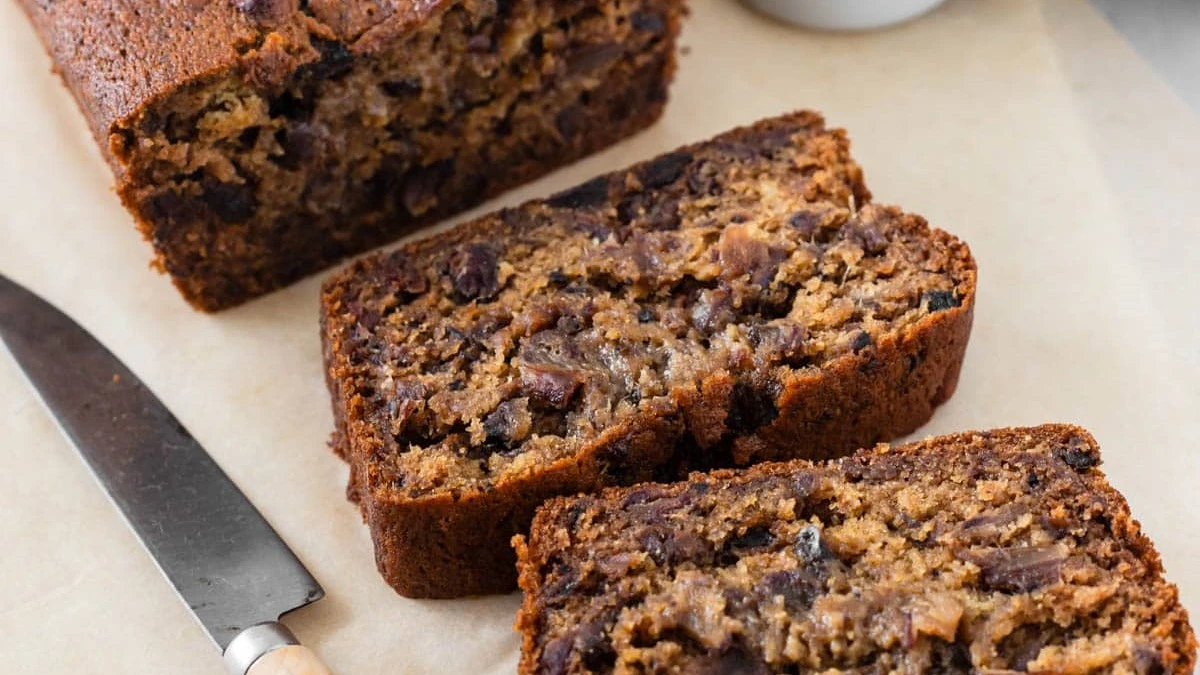
Ingrédients à base de dattes 2026 : comment la Deglet Nour gagne en valeur dans l’industrie alimentaire
Des palmeraies des oasis aux barres protéinées, aux céréales pour bébés et aux sauces barbecue, la datte Deglet Nour devient discrètement l’un des ingrédients naturels les plus recherchés en 2026.
TOZEUR, Tunisie. Dans les palmeraies du Djérid, la récolte commence en octobre. Depuis des générations, les dattes Deglet Nour dorées cueillies ici finissaient dans les corbeilles de fruits et les pâtisseries traditionnelles. Aujourd’hui, une part croissante quitte les oasis sous forme de pâte, de poudre et de sirop de dattes, à destination des usines agroalimentaires en Europe et ailleurs.
Cette évolution reflète les changements dans l’industrie alimentaire. Les marques recherchent des alternatives naturelles au sucre, des listes d’ingrédients courtes et des produits porteurs d’une histoire, et la Deglet Nour réunit ces trois atouts.
Approvisionnement en dattes Deglet Nour à la source, dans le sud de la Tunisie
Yakutta s’approvisionne directement en dattes dans le sud de la Tunisie : dans le Djérid, autour de Tozeur, et dans la Nefzaoua, autour de Kébili, berceau historique de la Deglet Nour. Un soleil intense, un air sec et une irrigation alimentée par des sources confèrent au fruit sa couleur ambrée et son goût miellé.
Acheter à la source est un choix délibéré. Cela permet d’adapter chaque lot à son utilisation finale, de garantir la traçabilité de la palmeraie au produit fini et de transformer les fruits de qualité inférieure, voire les noyaux, en ingrédients plutôt qu’en déchets.
Mais un bon fruit ne suffit pas à lui seul. Ce qui a véritablement accru la valeur de la Deglet Nour, c’est tout ce qui a été mis en place autour d’elle.
Labels de qualité et secteur structuré : la stratégie 2026
Pendant longtemps, les dattes ont été commercialisées comme une simple matière première. Ce n’est plus le cas aujourd’hui.
La Deglet Nour bénéficie désormais de labels d’origine : « Deglet Nour de Nefzaoua » en Tunisie et « Deglet Nour de Tolga » en Algérie, qui associent le fruit à son oasis d’origine et au savoir-faire local. De plus en plus de producteurs détiennent une certification biologique de l’UE, souvent délivrée par Ecocert, ou respectent des normes internationales telles que GlobalG.A.P. Les exportations suivent également la norme du Codex Alimentarius relative aux dattes. Les acheteurs disposent ainsi de références de qualité claires et communes.
Derrière ces labels se trouve un secteur structuré. En Tunisie, le Groupement interprofessionnel des dattes (GID) rassemble les producteurs, les conditionneurs et les exportateurs, l’ONAGRI suit la production et les exportations, et le CEPEX promeut les dattes tunisiennes à l’étranger. En Algérie, les organismes nationaux chargés de la promotion des exportations jouent un rôle similaire. Ensemble, ils fixent des objectifs de qualité et planifient l’avenir des oasis.
Poudre et pâte de dattes Yakutta : de la production à l’exportation réfrigérée
Les résultats sont visibles à l’international. Les dattes du Maghreb sont désormais régulièrement présentes dans les grands salons de l’alimentation et des ingrédients, de Gulfood à Dubaï à SIAL Paris, Fi Europe et Biofach, où elles sont présentées comme un produit du terroir et un ingrédient d’avenir.
Pourtant, le changement le plus surprenant se produit en laboratoire.
Recherche sur le palmier dattier : valoriser chaque partie du fruit
Dans les oasis, les chercheurs veillent à ce qu’aucune partie de la datte ne soit gaspillée. Au Centre régional de recherche en agriculture oasienne de Degache, en Tunisie, et au CRSTRA de Biskra, en Algérie, les scientifiques étudient le palmier dattier et de nouvelles façons d’utiliser son fruit.
With manufacturers, they have already helped create a new generation of products. Date paste, powder, syrup and jam supply the food industry, roasted pits become caffeine-free “date seed coffee” and fibre-rich flours, pit oil goes into cosmetics, and sorting rejects become animal feed. The Khalifa International Award for Date Palm and Agricultural Innovation rewards this kind of progress every year.
For the food industry, though, the most interesting results end up on supermarket shelves.
Date-Based Products in 2026: A Versatile Key Ingredient
For centuries, dates belonged to the traditional pastries of the Arab world, deeply linked to its culture and celebrations. The turning point came in May 2000, when LÄRABAR was created and brought date-based bars into the health food aisle. RXBAR in the United States and Nakd in the United Kingdom soon followed, building whole ranges on dates.
Today, dates reach everyday products: dairy drinks, yogurts, dessert creams, fruit compotes, children’s snacks and hazelnut spreads. Date powder goes into ready-to-use cake mixes and baby cereals, and specialists such as Haïfa Dattes offer Deglet Nour paste as a base for creams and spreads. Dates have even found their way into sauces, from British brown sauces such as HP Sauce and Indian chutneys to barbecue sauces and marinades.
Yakutta is at the heart of these new projects. Its date ingredients are integrated into a new generation of ready-to-cook preparations, starting with Let’s Bake, a range built around the healthy trends of 2026: dessert creams, cookies, brownies, chocolate cream and chocolate cake, all sweetened with Deglet Nour. Beyond Let’s Bake, Yakutta works alongside food brands and manufacturers on other ready-to-cook and baby food projects, supplying date ingredients tailored to each recipe.
Each preparation has its own technical requirements. A cookie mix does not call for the same date powder as a dessert cream, so particle size, colour, moisture and flowability are adjusted product by product to deliver the expected texture and taste.
Yakutta also works with partners on baby cereals, a category with some of the strictest standards in the food industry. Here, hygiene comes first: careful selection of raw materials, controlled processing and checks on every batch, in line with the regulations for foods intended for infants and young children.
Why Date Products Are the Products of 2026
This success has a simple explanation: the date answers exactly what consumers expect in 2026, starting with a clean label. According to Innova Market Insights, 60% of global consumers say they always look at ingredient lists when buying food and drinks, and a label that simply says “dates” is easy to trust.
Consumers also want less refined sugar without giving up on taste. Whole Foods Market ranks the shift from refined sugar to natural alternatives such as fruit, honey and dates among the top food trends of the year. Pastry is following the same path, with less sweet creations focused on the taste of the ingredients and cakes with a lower glycaemic index. Here, the date has a clear advantage: unlike many intense sweeteners, it leaves no aftertaste and adds fibre, colour and a gentle caramel note.
Fibre and protein are the other stars of the year, with Lactalis even describing the rise of “fiber-maxxing”, while gut-friendly drinks are among the fastest-growing beverage categories. Snacks must now be both indulgent and healthy, precisely where date bars and bites fit.
Date spreads are the product to watch. Made with date paste, cocoa and hazelnut, without palm oil and sweetened only with dates, they offer the same indulgence with a much shorter ingredient list. Versions with sesame, almond or pistachio add a Mediterranean touch.
Finally, waste is no longer acceptable. ICL Group lists circularity among the key food tech trends of 2026, and the date is a textbook case, since every part of the fruit now has a use.
Conclusion: Date Ingredients for Kids, Athletes and Sugar Reduction
Three markets stand out for food brands. Parents want healthier snacks for their children, and date powder and paste bring natural sweetness with fibre. Athletes value dates for their quick energy and potassium, which is why date paste sits at the heart of so many energy bars. And brands cutting white sugar find in dates an ingredient that adds taste and colour at the same time.
The numbers back it up. Per 100 g, Deglet Nour dates provide around 280 kcal, 8 g of fibre and over 600 mg of potassium: the profile of a whole fruit, not empty sugar. For EU markets, one rule matters: a product sweetened with dates cannot be labelled “no added sugars”, while “sweetened with dates” is accurate and compliant.
The Deglet Nour now leads a double life: a terroir fruit rooted in the oases of the Maghreb, and a modern ingredient for tomorrow’s recipes. Yakutta, a Tunisian date ingredients supplier since 2008, brings the two together with traceable date powder, paste, syrup and jam, and with its role in projects such as Let’s Bake.
For your next date-based product, contact the Yakutta team for technical data sheets and samples.
FAQ About Date Ingredients
What are date ingredients? Products made from dates for the food industry, mainly date paste, date powder, date syrup and date jam. They sweeten, bind and add flavour to recipes.
Are dates a good natural sugar alternative? Yes. Dates sweeten without aftertaste and bring fibre, potassium and a caramel note. In the EU, products sweetened with dates should be labelled “sweetened with dates”, not “no added sugars”, in line with EU rules on nutrition claims.
Why choose Deglet Nour dates for food manufacturing? Deglet Nour is a semi-dry date with a balanced, honey-like taste. It is easy to process into powders and pastes, and its origin is protected by quality labels in Tunisia and Algeria.
Références
- Tunisian Ministry of Agriculture, AOC “Deglet Nour de Nefzaoua” (tn, specifications, 2021); Algerian Ministry of Agriculture, GI “Deglet Nour de Tolga” (madr.gov.dz).
- Ecocert; A.P.; Codex Alimentarius, Standard for Dates CXS 143-1985.
- GIDattes; ONAGRI; CEPEX; Algerian export promotion authorities.
- Gulfood; SIAL Paris; Fi Europe; BIOFACH.
- CRRAO Degache, Tunisia (tn); CRSTRA, Biskra, Algeria.
- Khalifa International Award for Date Palm and Agricultural Innovation.
- LÄRABAR, The LÄRABAR Story; General Mills, LÄRABAR; RXBAR; Lotus Bakeries (Nakd).
- Haïfa Dattes, Deglet Nour date paste.
- HP Sauce.
- Innova Market Insights, Global Ingredient Trends 2026, 26 March 2026; see also FoodIngredientsFirst.
- Whole Foods Market, Top food trends 2026.
- École Ducasse, Gastronomy trends 2026; Metro France, Pastry trends 2026.
- Mintel, Functional ingredients to watch in 2026; Lactalis Ingredients, Food trends 2026.
- BeverageDaily, Functional beverage trends; Forbes, Functional beverages in 2026.
- CBNews, Food innovation trends 2026.
- ICL Group, Food Tech Trends 2026.
- USDA FoodData Central, Deglet Noor dates.
- EU Regulation (EC) No 1924/2006 on nutrition and health claims.
 FR
FR  EN
EN  ES
ES  DE
DE  IT
IT