
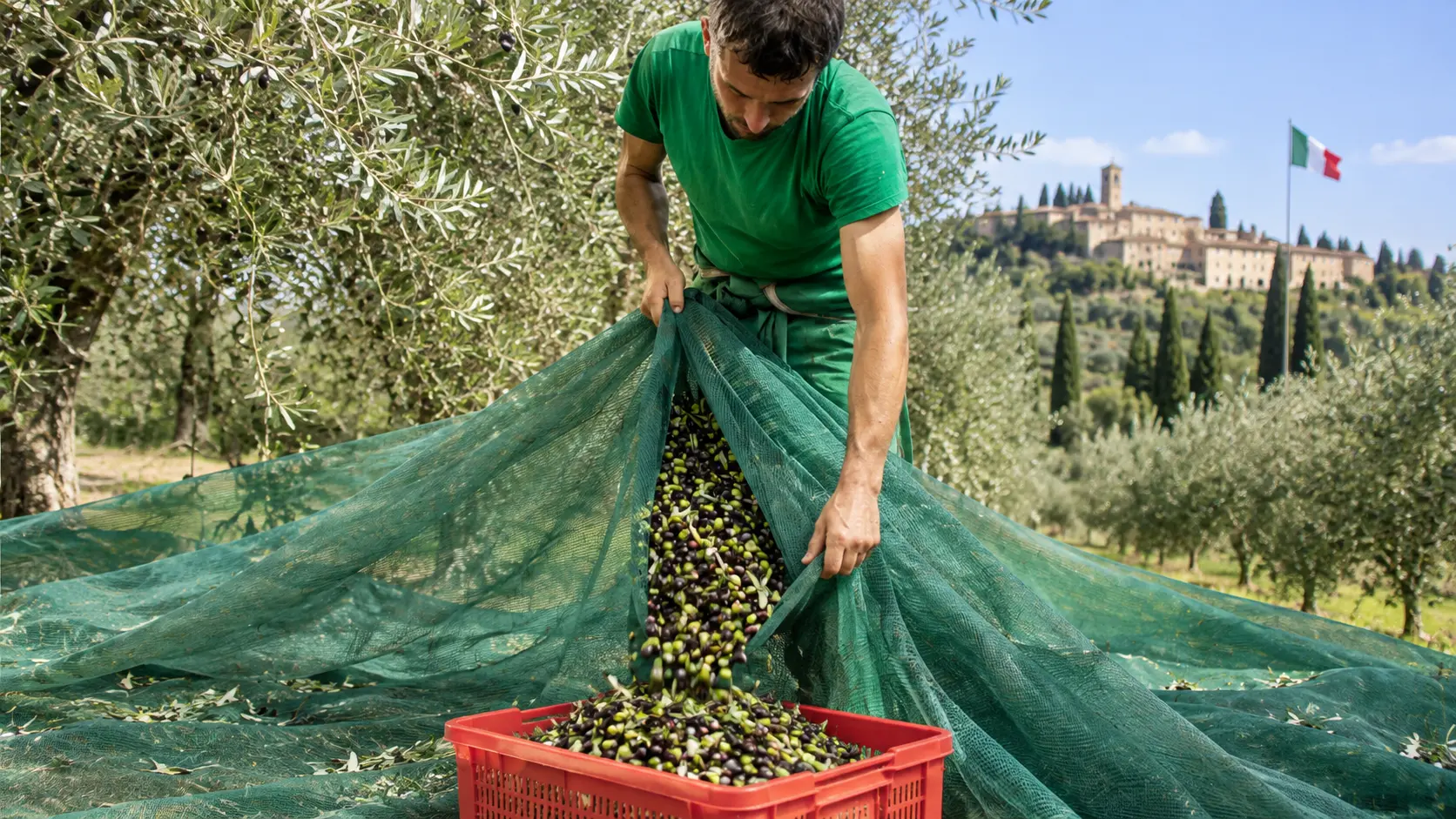
Extra Virgin Olive Oil Wholesale in Italy: A Practical Guide for B2B Buyers
| Key takeaways |
|---|
| ✔ Italy consumes far more olive oil than it produces, so bottlers, distributors and food manufacturers rely heavily on bulk imports. |
| ✔ Genuine extra virgin olive oil is extracted by mechanical means only, has no sensory defects and has a free acidity of 0.8% or less. |
| ✔ The right wholesale partner offers consistent quality, full traceability, clear paperwork and reliable export logistics. |
Walk into any Italian kitchen, from a family trattoria in Bari to an industrial bakery outside Milan, and you will find the same golden thread. Extra virgin olive oil is not just an ingredient in Italy. It is a cultural signature and, for thousands of businesses, a daily purchasing decision with real financial weight.
Behind every bottle sits a far less poetic story of contracts, lab reports and shipping schedules. Harvests swing, prices react within weeks, and one lot that fails a tasting panel can undo months of brand building.
This guide explores how extra virgin olive oil wholesale in Italy really works today, what separates a premium lot from a risky one and how to build a supply chain that lasts.
Why the market for extra virgin olive oil wholesale in Italy depends on imports
It surprises many newcomers, but Italy simply cannot press enough olives to satisfy its own appetite. Official ISTAT figures show the country produced 379 million litres of olive oil in 2025, while imports climbed to 565 million litres. Over the past two decades, domestic output has shrunk by roughly 38%.
That gap has reshaped the trade. Italy is still one of the world’s leading exporters and its most significant consumer market, so Italian packers constantly need dependable volumes from abroad.
For wholesalers, importers and food manufacturers, this cuts both ways. Demand from retailers, restaurants and private-label brands is steady, yet buyers compete hard for the best lots, and a weak harvest can tighten supply almost overnight. The businesses that thrive rarely rely on a single origin. They build long-term relationships with experienced international suppliers.
Choosing the right format for bulk purchasing
Buyers of extra virgin olive oil wholesale in Italy tend to match their packaging to the scale of their operation. Large bottlers and blenders usually favour flexitanks, single-use bladders that sit inside a 20-foot shipping container and carry a full load in one go. Mid-sized processors and repackers often find 1,000-litre IBC totes easier to store and decant, while drums suit smaller production runs. Retailers and distributors who want a ready-to-sell product typically choose tins or bottles, often under their own private label.
Whichever format you choose, olive oil has three natural enemies: light, heat and oxygen. Ask how the oil is stored before dispatch, whether tanks are protected with nitrogen and how temperature is managed in transit. Oil that leaves the mill in excellent condition can lose its freshness after a few hot weeks on a quayside.
Timing matters too. New-crop Mediterranean oil generally reaches the market from late autumn, and buyers who contract early are better placed to ride out later price swings.
What makes oil truly extra virgin
In the European Union, the words “extra virgin” carry legal weight. Commission Delegated Regulation (EU) 2022/2104 reserves the category for oil obtained directly from olives using mechanical processes alone, without solvents or refining. The oil must have a free acidity of no more than 0.8%, a fruity character free from sensory defects as assessed by an approved tasting panel, and it must stay within strict limits for further chemical markers such as peroxide value, UV absorbance and ethyl esters. Every label must also show the oil’s category and where it comes from.
The lesson for buyers is clear: price per litre is only part of the equation. Insist on a certificate of analysis for each lot and, whenever possible, test a pre-shipment sample before committing to a full load.
How to select a reliable olive oil supplier
Your supplier will shape your reputation as much as the oil itself. Ask whether they can deliver a consistent quality profile from one shipment to the next and support your volumes when harvests fall short. Look for clear pricing, realistic lead times and fair payment terms, and notice how knowledgeably they answer your questions. A partner who understands the product will save you far more than a few cents per litre.
Certifications worth checking
Independent certifications show that a supplier’s processes are regularly audited. Depending on your customers, look for HACCP-based food safety systems, ISO 22000 or FSSC 22000, BRCGS or IFS Food, and organic certification if you sell organic ranges. Always request the valid certificates themselves rather than relying on logos displayed on a website.
Traceability you can prove
European retailers and manufacturers now treat traceability as a basic requirement. A dependable supplier can connect every lot to its origin, mill and harvest period, along with its lab results and shipping documents. That transparency protects you during audits and gives your customers a reason to trust you.
Planning export logistics to Italy
Even exceptional oil loses value if it arrives late or with missing paperwork. Before signing, agree on Incoterms such as FOB, CIF or DAP, so everyone knows who pays for freight and insurance. Confirm the documents, including the commercial invoice, bill of lading, certificate of origin and certificate of analysis. Choose your port, with Genoa, La Spezia, Livorno and Naples among the common gateways, and allow a buffer for customs clearance.
Yakutta: your international partner for bulk olive oil
Yakutta is an international B2B supplier of extra virgin olive oil. Since our founding in 2008, we have spent more than 16 years helping importers, distributors, retailers and food manufacturers buy with confidence, and today our clients are based in more than 45 countries. Our team supports you from first enquiry to delivery, from choosing the right grade and format to organising bulk export and its documentation.
The bottom line
Italy’s love of olive oil has outgrown its own groves, keeping demand for quality imports strong. Success in extra virgin olive oil wholesale in Italy rests on three pillars: proven quality, complete traceability and a supplier who delivers consistently, whatever the harvest brings. If you are looking for a trusted source of bulk extra virgin olive oil, get in touch with Yakutta to request a quote, a specification sheet or a sample.
Foire aux questions
How can I verify that bulk olive oil is genuinely extra virgin?
Request a certificate of analysis for every lot, compare its acidity, peroxide value and K values with EU limits, and have a pre-shipment sample checked by an accredited laboratory or tasting panel.
Which bulk formats are available?
Flexitanks, IBC totes, drums, tins and bottles are the most common options. The best choice depends on your volumes, storage space and filling equipment.
Is it legal to sell imported olive oil in Italy?
Yes. A large share of the oil bottled in Italy is imported, and EU rules require the label to state its true origin.
How do I get a quote from Yakutta?
Share the grade, volume, packaging and destination you need, and our team will reply with pricing and availability.
 FR
 EN
 ES
 DE
 IT