
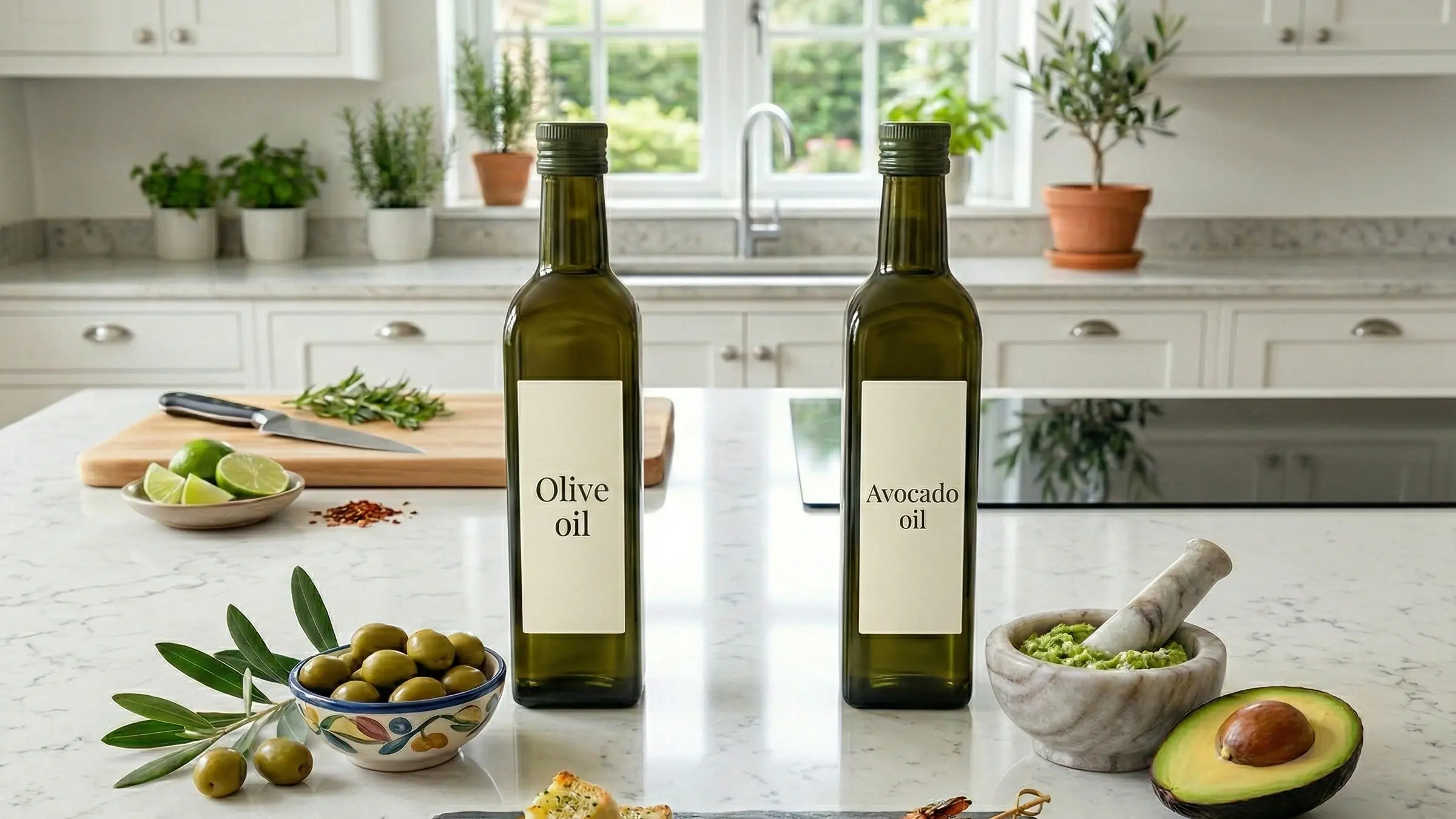
Aceite de aguacate vs aceite de oliva
Camina por el pasillo de aceites de cocina de cualquier supermercado y te encontrarás de inmediato con una abrumadora variedad de opciones. Durante años, el debate sobre aceite de aguacate vs aceite de oliva ha captado la atención de los compradores preocupados por la salud. Mientras que el aceite de oliva ha reinado como el estándar de oro durante décadas, un retador ha entrado en escena en los últimos años: el aceite de aguacate. Ambos son considerados superalimentos, llenos de grasas saludables para el corazón y nutrientes esenciales, pero cuando se trata de aceite de aguacate vs aceite de oliva, no son exactamente intercambiables.
Ya sea que seas un cocinero casero buscando perfeccionar tu técnica de sellado o un entusiasta de la salud que quiere optimizar su ingesta de nutrientes, entender las diferencias entre aceite de aguacate vs aceite de oliva es crucial. En esta guía, desglosamos los perfiles nutricionales, puntos de humo, beneficios para la salud y el costo de aceite de aguacate vs aceite de oliva. Al final, sabrás exactamente qué botella elegir.
Desglose nutricional
A simple vista, estos dos aceites parecen notablemente similares desde el punto de vista nutricional. Ambos son reconocidos por su alto contenido de grasas monoinsaturadas, las “grasas buenas” conocidas por favorecer la salud del corazón. Sin embargo, un análisis más detallado de los datos revela algunas diferencias sutiles pero importantes.
Aquí tienes una comparación nutricional directa basada en una porción estándar de una cucharada (cda):
Spanish: Nutriente | Aceite de oliva (1 cda) | Aceite de aguacate (1 cda) |
|---|---|---|
Calorías | 119 | 124 |
Grasas totales | 13.5 g | 14 g |
Ácidos grasos saturados | 1.86 g | 1.62 g |
Ácidos grasos monoinsaturados | 9.86 g | 9.88 g |
Ácidos grasos poliinsaturados | 1.42 g | 1.89 g |
Hierro | 0.076 mg (mcg) | 0 mg |
Vitamina E (alfa-tocoferol) | 1.94 mg | 0 mg |
Vitamina K | 8.13 mcg | 0 mcg |
Análisis del contenido de vitaminas
La diferencia más notable se encuentra en el contenido de vitaminas. El aceite de oliva es el claro ganador aquí. Una sola cucharada proporciona una buena cantidad de vitamina E, un potente antioxidante que protege las células del daño, y vitamina K, esencial para la coagulación de la sangre y la salud ósea.
El aceite de aguacate, aunque rico en grasas saludables, carece de estas vitaminas específicas en cantidades significativas. Sin embargo, la nutrición rara vez se trata de un solo número; se trata de cómo estos componentes trabajan juntos dentro de tu dieta.
Punto de humo y usos culinarios: aceite de aguacate vs aceite de oliva
While nutrition is vital, functionality often dictates which oil you grab from the pantry. The “smoke point” is the temperature at which an oil stops shimmering and starts smoking. When oil surpasses its smoke point, it not only ruins the flavour of your food but can also degrade nutrients and release harmful free radicals.
Avocado Oil: The High-Heat Hero
If you love high-heat cooking, avocado oil should be your go-to. It boasts an incredibly high smoke point of up to 520°F (271°C). This makes it exceptionally stable and safe for:
- Searing steaks: You can get a perfect crust without setting off the smoke alarm.
- Stir-frying: It handles the intense heat of a wok effortlessly.
- Deep frying: It maintains stability even during prolonged frying sessions.
- Roasting vegetables: It allows for high-temperature roasting to achieve caramelisation.
Olive Oil: The Flavour Enhancer
Olive oil, particularly Extra Virgin Olive Oil (EVOO), has a more modest smoke point ranging from 325°F to 410°F (163°C – 210°C), depending on its refinement and quality. While you can certainly cook with it, it is best suited for medium-heat applications where its distinct flavour can shine.
- Sautéing: Perfect for sweating onions, garlic, and vegetable bases.
- Salad Dressings: Its rich, peppery notes are unmatched in vinaigrettes.
- Finishing Oil: A drizzle over pasta, hummus, or soup adds depth and richness.
- Baking: It works beautifully in cakes and breads that do not require extremely high oven temperatures.
The Verdict: Keep avocado oil near the stove for frying and searing, and keep your high-quality olive oil on the table for finishing and dressing.
Deep Dive into Health Benefits
Both oils are champions of heart health, largely due to their high monounsaturated fat content. These fats help lower LDL (bad) cholesterol and reduce the risk of heart disease. Furthermore, both oils contain antioxidants that fight oxidative stress in the body. However, they each have unique “superpowers.”
Olive Oil: The Polyphenol Powerhouse
Olive oil is the cornerstone of the Mediterranean diet, one of the most studied and recommended diets globally. Its primary claim to fame is its high concentration of polyphenols.
- Oleocanthal: This specific polyphenol mimics the anti-inflammatory effects of ibuprofen. It is a natural way to reduce chronic inflammation in the body.
- Disease Prevention: Studies linking the Mediterranean diet to longevity suggest that consistent olive oil consumption can lower the risk of cardiovascular disease by up to 30%. It has also been linked to reduced risks of dementia and certain cancers.
Avocado oil vs olive oil for skin:
Avocado oil as The Skin and Eye Protector
While it may lack Vitamin E, avocado oil brings other compounds to the table.
- Lutein: This is an antioxidant naturally found in the eyes. Consuming lutein supports long-term eye health and may help protect skin from UV damage.
- Phytosterols: Avocado oil contains a higher concentration of phytosterols than olive oil. These plant compounds compete with cholesterol for absorption in the digestive system, potentially helping to manage cholesterol levels more effectively.
- Nutrient Absorption: Interestingly, adding avocado oil to salads (much like eating fresh avocado) can significantly increase your body’s ability to absorb fat-soluble vitamins (A, D, E, and K) from the vegetables you are eating.
Olive oil benefits for skin
Olive oil is a natural powerhouse for achieving a healthy, glowing complexion. Rich in antioxidants and hydrating properties, it effectively moisturises the skin, combats oxidative stress, and helps maintain a soft, supple texture. Its gentle nature makes it suitable for various skin types and incredibly versatile. You can use it as a nourishing moisturiser, a gentle makeup remover, or as a key ingredient in DIY face masks and cleansers, making it an excellent addition to any skincare routine.
Cost and Production Reality
For many businesses and households, the decision often comes down to the price tag. Here, the difference is palpable.
Avocado oil generally costs 30-40% more than olive oil.
Why is Avocado Oil More Expensive?
- Yield: It takes a significantly higher volume of fruit to produce a litre of avocado oil compared to olive oil.
- Geography: Avocados have more limited growing regions (primarily Mexico, parts of South America, and California/New Zealand) compared to the vast olive groves of the Mediterranean and beyond.
- Market Dynamics: The global demand for fresh avocados often drives up the price of the raw material used for oil.
To put this in perspective:
- A 750ml bottle of quality avocado oil typically costs between $15 and $20.
- A similar bottle of Aceite de oliva usually ranges from $10 to $15.
- Per ounce, you are looking at roughly $0.50+ for avocado oil versus $0.30–$0.44 for olive oil.
The Bulk Buying Advantage
For food manufacturers, restaurants, or even large families, these costs add up quickly. This is where strategic sourcing becomes essential. Buying in bulk can significantly narrow the price gap. Wholesale suppliers often provide competitive rates that make avocado oil a viable option for commercial kitchens that need a high-heat stable oil, while olive oil remains the cost-effective champion for general purpose cooking and flavouring.
Conclusion: Which One Should You Choose?
There is no single winner in the avocado oil vs olive oil showdown because avocado oil and olive oil serve different purposes. When considering avocado oil vs olive oil, it’s clear they are complementary rather than competitive.
If your priority is high-heat cooking (frying, grilling, or roasting at high temperatures ) the advantages in the avocado oil vs olive oil comparison are clear: avocado oil is worth the extra investment. When examining avocado oil vs olive oil for high-temperature applications, its neutral flavour and incredible heat stability make it indispensable for serious cooks.
If your priority is flavour, raw applications, and maximum antioxidant content, the avocado oil vs olive oil debate tilts in favor of extra virgin olive oil, which remains the undisputed king. In the avocado oil vs olive oil comparison for nutrient density, olive oil offers a robust vitamin profile and the powerful anti-inflammatory benefits of oleocanthal at a more accessible price point.
For a truly well-stocked kitchen, the best strategy in the avocado oil vs olive oil discussion is to keep both at your disposal. When considering avocado oil vs olive oil for various recipes, use avocado oil when the heat turns up, and olive oil when you want to add richness, nutrition, and flavour to your finished dish.
Entradas relacionadas

Mejor aceite de oliva para beber diariamente
Drinking olive oil might sound like a culinary quirk to some, but for thousands of years, it has bee
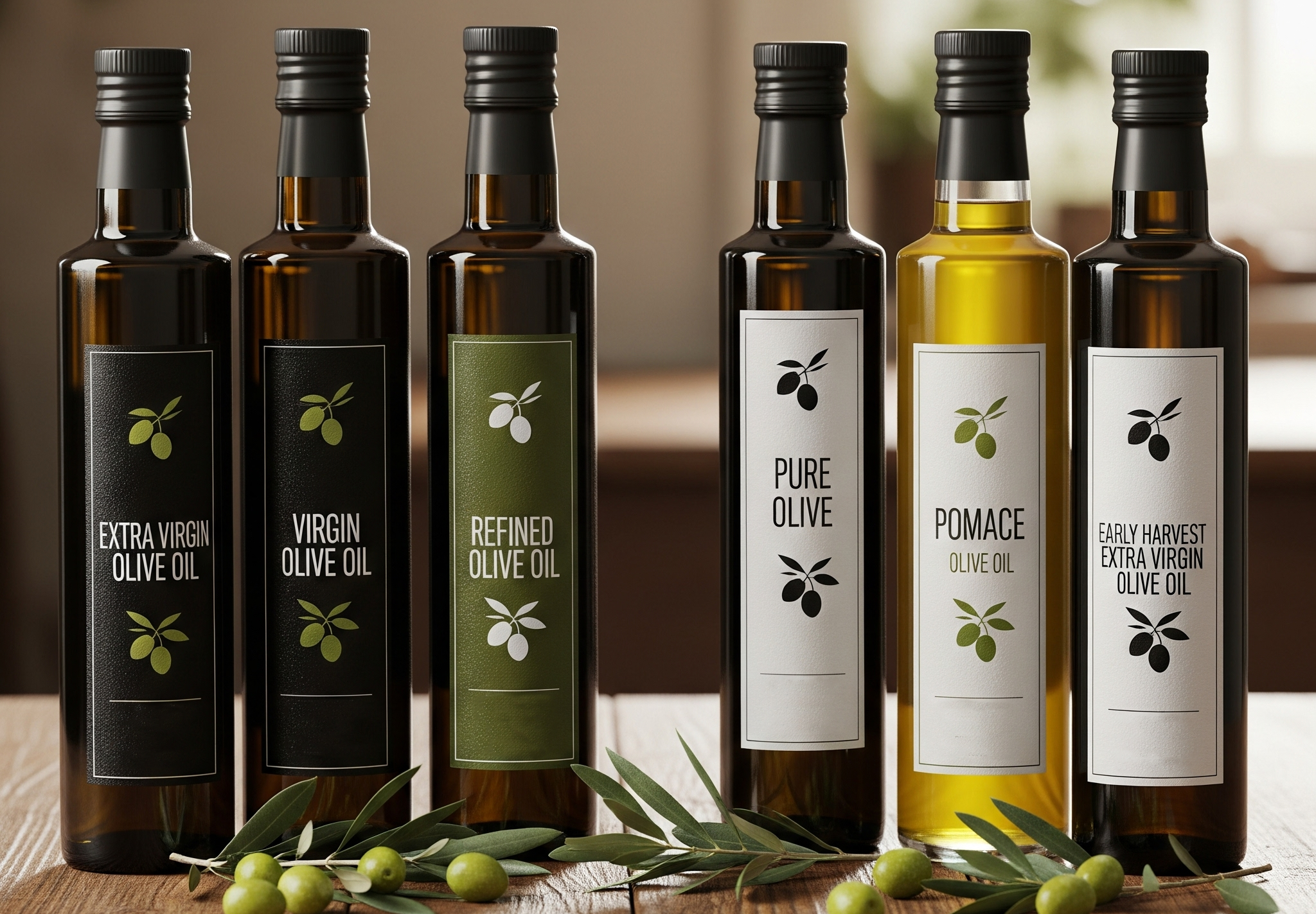
Clasificación del Aceite de Oliva: Desde Extra Virgen hasta Orujo – Lo que Todo Chef y Negocio de Alimentos Debe Saber
Comprender las clasificaciones del aceite de oliva puede transformar su experiencia culinaria y su éxito empresarial.
Cómo hacer jarabe de dátiles
In the quest for healthier, more natural alternatives to refined sugar, many of us find ourselves st
 ES
ES  EN
EN  FR
FR  DE
DE  IT
IT