
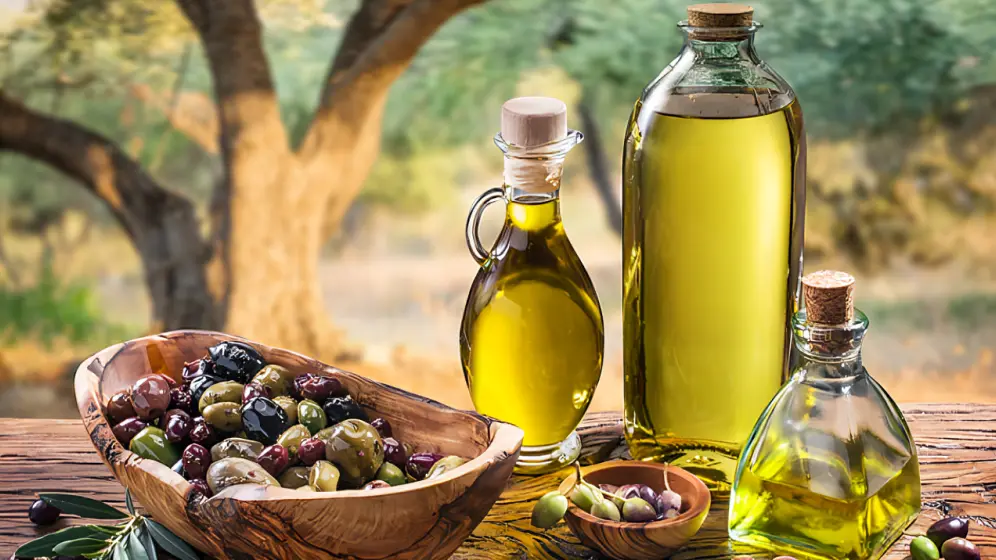
Leitfaden für Olivenöl im Großhandel: Qualität, Markttrends & globale Beschaffung
Da die weltweite Nachfrage nach hochwertigen Speiseölen weiter steigt, ist der Olivenöl-Großhandel zu einer der strategisch wichtigsten Beschaffungskategorien für Lebensmittelmarken, Importeure, Private-Label-Unternehmen und Distributoren geworden. Der globale Olivenölmarkt soll bis 2027 ein Volumen von über 16 Milliarden US-Dollar erreichen, angetrieben durch die wachsende Verbraucherpräferenz für gesunde Fette und mediterran inspirierte Ernährungsweisen. Von verkaufsfertigen Flaschen mit nativem Olivenöl extra bis hin zu industriellen Flexitank-Lieferungen bietet der Markt skalierbare Lösungen für Unternehmen, die Qualität, Rückverfolgbarkeit und Rentabilität verbinden möchten.
Die Käufer von heute konzentrieren sich nicht mehr nur auf den Preis. Sie legen zunehmend Wert auf verifizierte Herkunft, gleichbleibende Qualität, nachhaltige Anbaumethoden und flexible Verpackungen, die die internationale Logistik unterstützen. Dieser Wandel hat die Wahl des richtigen Lieferanten für extra natives Olivenöl wichtiger denn je gemacht. Ob Ihr Unternehmen die Lebensmittelproduktion, Horeca, Supermärkte oder Wellness-Marken beliefert – das Verständnis von Qualitätsstandards und globalen Beschaffungsdynamiken ist für den langfristigen Erfolg entscheidend. Im Jahr 2025 exportierte Tunesien über 140.000 Tonnen Olivenöl und belieferte Märkte in Europa, Nordamerika und Asien, was die Bedeutung strategischer Beschaffung unterstreicht.
Warum der Olivenöl-Großhandel eine wachstumsstarke B2B-Kategorie ist
Der Olivenöl-Großhandelsmarkt zieht weiterhin starkes Interesse internationaler Käufer an, da er eine widerstandsfähige Verbrauchernachfrage mit einer Premium-Produktpositionierung verbindet. Der weltweite Olivenölverbrauch ist in den letzten Jahren kontinuierlich gestiegen und erreichte laut IOC über 3,24 Millionen Tonnen in 2025/26, während extra natives Olivenöl aufgrund seiner Premium-Positionierung den größten Anteil am Marktwert ausmacht. Verbraucher weltweit wenden sich gesünderen Fetten und mediterranen Ernährungsweisen zu, wodurch Olivenöl sowohl im Einzelhandel als auch im Foodservice zu einer bevorzugten Zutat wird. Dieser Wandel treibt Lebensmittelmarken und Distributoren dazu, ihre Olivenölportfolios auszubauen – insbesondere im extra nativen und biologischen Segment.
Gleichzeitig hat sich diese Kategorie weit über den reinen Rohstoffhandel hinaus entwickelt. Käufer bewerten Großhandelsmöglichkeiten für Olivenöl heute anhand von Herkunft, Rückverfolgbarkeit, Antioxidantiengehalt und Verpackungsinnovation. Diese Faktoren ermöglichen es Importeuren und Private-Label-Marken, ihre Angebote zu differenzieren und gleichzeitig ihre Margen in wettbewerbsintensiven Märkten zu schützen.
Qualität bei der Beschaffung von Olivenöl verstehen
Qualität ist die Grundlage einer erfolgreichen Olivenölbeschaffung. Internationale Käufer verstehen, dass der Wert eines Öls nicht nur durch den Geschmack bestimmt wird, sondern auch durch messbare technische Standards, die Frische und Konformität gewährleisten. Ein professioneller Lieferant von extra nativem Olivenöl sollte klare Dokumentationen bereitstellen, die den Säuregehalt (typischerweise unter 0,8 %), Peroxidwerte (unter 20 meq O2/kg für EVOO), Erntedatum und Lagerbedingungen abdecken.
Frische ist besonders wichtig im Premium-Retail- und Horeca-Segment, wo Verbraucher sehr empfindlich auf Aroma, Farbe und Mundgefühl reagieren. Eine sachgerechte, stickstoffgespülte Lagerung in Edelstahltanks bewahrt die natürlichen Eigenschaften des Öls und verlängert gleichzeitig die Haltbarkeit. Für Marken, die Vertrauen in internationalen Märkten aufbauen, ist gleichbleibende, labortestierte Qualität eines der stärksten Verkaufsargumente. Studien zeigen, dass korrekt gelagerte Öle ihren Polyphenolgehalt bis zu 12 Monate behalten, was sowohl die gesundheitlichen Vorteile als auch das Geschmacksprofil stärkt.
Tunesisches Olivenöl: eine strategische globale Beschaffungsquelle
Unter den weltweit führenden Herkunftsländern hat sich tunesisches Olivenöl zu einer der attraktivsten Optionen für Großabnehmer entwickelt. Tunesien macht rund 10 % der weltweiten Olivenölproduktion aus, mit über 82 Millionen Olivenbäumen auf 260.000 Hektar, was es zu einer zuverlässigen Quelle für Großlieferungen und Private-Label-Projekte macht. Wettbewerbsfähige Exportpreise, moderne Extraktionsanlagen und eine lange landwirtschaftliche Tradition vereinen sich zu Authentizität und hoher Qualität.
Tunesische Öle gibt es in verschiedenen Profilen. Chemlali-Öle sind mild und ausgewogen und eignen sich für die Lebensmittelherstellung sowie vielseitige Einzelhandelsprodukte, während Chetoui ein kräftigeres, pfeffriges Aroma mit natürlich hohem Polyphenolgehalt bietet. Diese Flexibilität ermöglicht es Käufern, das passende Profil von tunesischem Olivenöl auf ihre Zielmärkte abzustimmen – ob Gourmet-, Gesundheits- oder Industrieanwendungen.
Aktuelle Trends auf dem Olivenölmarkt, die Käufer im Blick behalten sollten
Das Verfolgen der Olivenöl-Markttrends ist für Einkaufsleiter, Distributoren und Private-Label-Marken unerlässlich. Die Premiumisierung ist einer der stärksten Trends: Verbraucher verlangen zunehmend Öle mit verifizierter Herkunft, höherem Antioxidantiengehalt und echten Extra-Virgin-Qualitätsnachweisen. Das globale Premiumsegment wird voraussichtlich jährlich um 6–7 % wachsen und damit Chancen für qualitätsorientierte Importeure aufzeigen.
Ein weiterer Trend ist der Aufstieg von Private-Label-Olivenöl, insbesondere bei Supermärkten, Gourmet-Händlern und E-Commerce-Marken. Private Label ermöglicht es Unternehmen, eine stärkere Kundenbindung aufzubauen und gleichzeitig ihre Margen durch exklusive Mischungen und individuelle Verpackungen zu verbessern. Auch die Diversifizierung der Lieferketten ist entscheidend, wobei Tunesien zu einer wichtigen Alternative zu Südeuropa wird, um klimabedingte Ernteausfälle zu reduzieren.
Wie man den richtigen Lieferanten für extra natives Olivenöl auswählt
Die Wahl des richtigen Lieferanten für extra natives Olivenöl wirkt sich auf die Produktkonsistenz und den Markenruf aus. Zuverlässige Lieferanten bieten Transparenz über Herkunft, Erntepraktiken, Lagerung und Exportdokumentation und helfen Käufern, die Vorschriften der EU, des Vereinigten Königreichs, Nordamerikas und des GCC einzuhalten.
Produktionskapazität und Verpackungsflexibilität sind ebenso wichtig. Lieferanten, die Einzelhandelsflaschen, HORECA-Dosen, Fässer, IBCs und Flexitanks anbieten können, ermöglichen Skalierbarkeit, während Ihr Unternehmen wächst. Exportkompetenz und mehrsprachiger Etikettensupport schaffen einen Wettbewerbsvorteil für Unternehmen, die in mehrere internationale Märkte eintreten.
Private-Label-Olivenöl: eine schnell wachsende Chance
Das Wachstum von Private-Label-Olivenöl verändert den globalen Markt für Speiseöle. Einzelhändler und Digital-First-Marken bevorzugen Eigenmarkenöle für Preissteuerung, Storytelling und Kundenbindung. Besonders attraktiv sind Single-Origin- und Premium-Extra-Virgin-Öle, bei denen Etikettendesign, Flaschentyp und QR-basierte Rückverfolgbarkeit den wahrgenommenen Wert erhöhen.
Einzelhändler können sich durch individuelle Mischungen, dunkle Glasflaschen und gourmetfertige Verpackungen differenzieren. Private Label stärkt zudem den langfristigen Markenwert im Vergleich zum Weiterverkauf generischer Ware, insbesondere da das Interesse der Verbraucher an authentischen mediterranen Ölen weiter zunimmt.
Beste Großhandelsformate für die Beschaffung von Olivenöl
Industrielle Lebensmittelverarbeiter bevorzugen Großformate wie Flexitanks, IBC-Container und Fässer, um die Transporteffizienz zu optimieren und die Gesamtkosten zu senken. Restaurants und Catering-Unternehmen bevorzugen Dosen zwischen 3 und 5 Litern, da sie Praktikabilität und Frische gut ausbalancieren.
Retail- und Private-Label-Projekte erfordern besondere Aufmerksamkeit für Präsentation, Haltbarkeit und Verbraucherfreundlichkeit. Premium-Dunkelglasflaschen, PET-Verpackungen und kleine Gourmetgrößen erhöhen die Attraktivität im Regal und schützen gleichzeitig das Öl vor Oxidation. Die Wahl des richtigen Formats ist sowohl eine logistische als auch eine Marketingentscheidung, die sich direkt auf die Margen auswirkt.
Risikomanagement in der globalen Olivenölbeschaffung
Klimabedingte Schwankungen in Spanien, Italien und Griechenland haben die Verwundbarkeit der globalen Versorgung gezeigt. Die Diversifizierung der Beschaffung über mehrere Herkunftsländer hinweg, insbesondere Tunesien, mindert Risiken und sorgt für skalierbare Versorgung sowie Preisstabilität.
Frachtkosten, Zollverzögerungen, Verpackungsengpässe und Währungsschwankungen unterstreichen zusätzlich die Bedeutung langfristiger Verträge und flexibler Lieferantenbeziehungen. Tunesisches Olivenöl bleibt mit seiner konstanten Ernte und hohen Exportbereitschaft eine zuverlässige Option zur Bewältigung dieser Risiken.
Warum tunesisches Olivenöl den B2B-Großhandel anführt
Für Distributoren und Lebensmittelhersteller zeichnet sich tunesisches Olivenöl durch Qualität, Skalierbarkeit und Exportbereitschaft aus. Die führende Rolle im ökologischen Landbau entspricht den Trends zu Clean-Label und Nachhaltigkeit. Die Möglichkeit des Versands in Flexitanks, Horeca-Verpackungen und Private-Label-Programmen bietet eine unvergleichliche Flexibilität. In Kombination mit wettbewerbsfähigen FOB-Preisen und internationalen Extra-Virgin-Standards ist Tunesien eine erstklassige strategische Wahl für Olivenöl-Großhandelskäufer weltweit.
Fazit: Eine intelligentere Strategie für den Olivenöl-Großhandel aufbauen
Eine erfolgreiche Strategie im Olivenöl-Großhandel geht über die reine Lagerverfügbarkeit hinaus. Unternehmen, die Marktintelligenz, Lieferantentransparenz, Herkunftsdiversifizierung und Verpackungsflexibilität kombinieren, schaffen widerstandsfähige Beschaffungssysteme. Das Verständnis der Olivenöl-Markttrends, die Zusammenarbeit mit einem vertrauenswürdigen Lieferanten für extra natives Olivenöl und die Nutzung der Stärken tunesischen Olivenöls ermöglichen es Unternehmen, ihre Margen zu schützen, eine konstante Versorgung zu sichern und in den Bereichen Einzelhandel, Horeca und industrielle Lebensmittelproduktion zu wachsen. Investitionen in Private-Label-Olivenöl erhöhen zusätzlich die Differenzierung und ermöglichen es Marken, die globalen Erwartungen der Verbraucher an Qualität, Rückverfolgbarkeit und Authentizität zu erfüllen.

5 Kommentare
- Pingback: Warum in den Olivenöl-Großhandel investieren | Yakutta6 Monaten vor
Kommentare sind geschlossen.
 DE
DE  EN
EN  FR
FR  ES
ES  IT
IT