
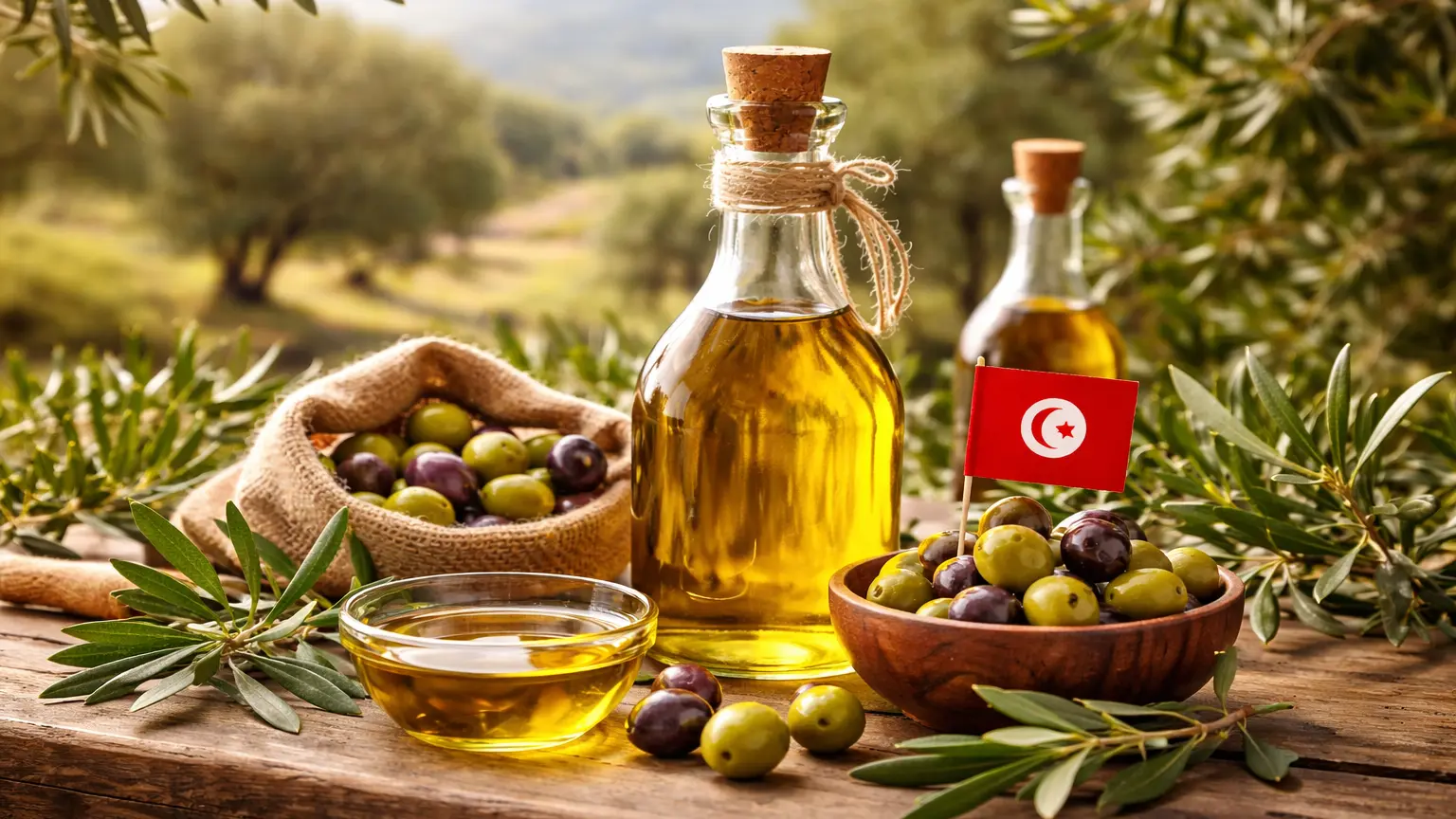
Tunesisches Olivenöl: Tradition, Vorteile und Globale Exzellenz
Wenn internationale Lebensmittelmarken und Einkäufer nach hochwertigen Speiseölen suchen, führt ihr Weg zunehmend nach Nordafrika. Tunesisches Olivenöl zeichnet sich weltweit durch außergewöhnliche Qualität, reichhaltige Geschmacksprofile und nachhaltige Produktionsmethoden aus. Als einer der führenden Produzenten der Welt bietet Tunesien Unternehmen ein überzeugendes Angebot, die ein zuverlässiges, hochwertiges Produkt sichern möchten.
Für große Unternehmen und Händler ist es entscheidend zu verstehen, was diese Region einzigartig macht. Dieser Leitfaden beleuchtet das landwirtschaftliche Erbe, die unterschiedlichen Sorten und die kommerziellen Vorteile der Beschaffung von tunesischem Olivenöl. Egal, ob Sie eine Großlieferung oder ein hochwertiges Flaschenprodukt benötigen – die Entdeckung der Exzellenz dieses mediterranen Kraftpakets wird Ihre Beschaffungsstrategie revolutionieren.
Für Beschaffungsteams, die große Importmengen planen, wird diese regionale Expertise noch wertvoller beim Aufbau einer widerstandsfähigen Olivenöl-Großhandelsbeschaffungsstrategie.
Die Geschichte des tunesischen Olivenöls
Der Olivenanbau in Tunesien reicht über 3.000 Jahre zurück und zählt damit zu den ältesten und kontinuierlichsten landwirtschaftlichen Traditionen im Mittelmeerraum. Die antiken phönizischen Händler führten erstmals Olivenbäume in der Region ein und legten damit den Grundstein für eine blühende Olivenölproduktion. Später erweiterte das Römische Reich diese Plantagen erheblich und machte Nordafrika zu einem wichtigen Olivenöllieferanten für Europa und das weitere Mittelmeergebiet.
Heute ist dieses reiche Erbe tief in der Kultur des Landes verwurzelt. Olivenanbau ist nicht nur eine wirtschaftliche Tätigkeit, sondern ein Symbol der tunesischen Identität. Generationen von Bauern bewahren traditionelle Praktiken und legen großen Wert auf sorgfältigen Anbau, Ernte und Pressung. Von täglichen Familienmahlzeiten bis hin zu festlichen kulinarischen Traditionen ist Olivenöl ein wesentlicher Bestandteil des tunesischen Lebensstils.
Fakt: Tunesien beherbergt über 82 Millionen Olivenbäume und ist damit der viertgrößte Olivenölproduzent der Welt. Das Land produziert jährlich etwa 320.000 bis 400.000 Tonnen Olivenöl, was fast 10 % der weltweiten Produktion ausmacht.
Hauptsorten tunesischen Olivenöls
Für internationale Käufer ist die Vielfalt von Tunisian olive oil ein bedeutender Vorteil. Das Land produziert mehrere unterschiedliche Kultivare, die jeweils vom lokalen Terroir, Klima und den Bodenbedingungen geprägt sind.
- Chemlali: Hauptsächlich im zentralen und südlichen Tunesien angebaut, liefert die Chemlali-Sorte ein glattes, mildes und ausgewogenes Öl. Ihre zarte Fruchtigkeit macht sie ideal für Mischungen oder Produkte, die ein sanfteres Geschmacksprofil benötigen. Diese Sorte macht über 60 % der gesamten tunesischen Olivenölproduktion aus.
- Chetoui: Vorwiegend im Norden Tunesiens angebaut, ist Chetoui für ihren kräftigen, pfeffrigen Geschmack und ihren hohen Polyphenolgehalt bekannt. Dies macht sie besonders attraktiv für gesundheitsbewusste Marken, die antioxidantienreiche Öle suchen. Chetoui macht etwa 20 % der nationalen Produktion aus und wird für Premiumprodukte aus einzelner Herkunft stark nachgefragt.
- Weitere Sorten: Tunesien baut auch weniger verbreitete Olivensorten wie Sigoise, Zalmati und Oueslati an, die zunehmend in Boutique-Ölen und Spezialmischungen verwendet werden.
Einblick Die Vielfalt der Sorten und die regionale Differenzierung ermöglichen es Herstellern, Öle für spezifische Anwendungen auszuwählen – von milden Speiseölen für die großindustrielle Lebensmittelproduktion bis hin zu intensiven Veredelungsölen für den Gourmetmarkt.
Wichtige Olivenanbaugebiete in Tunesien
Die Geografie spielt eine entscheidende Rolle bei der Gestaltung des Endprodukts. Tunesiens unterschiedliche Klimazonen schaffen verschiedene Anbauumgebungen, die Geschmack und Qualität der Ernte direkt beeinflussen.
- Zaghouan und Béja: Im Norden gelegen, erleben diese Gebiete höhere Niederschläge und kühlere Temperaturen. Diese Umgebung eignet sich perfekt für die Chetoui-Olive, was zu kräftigen Ölen mit starkem, komplexem Charakter führt.
- Zaghouan und Béja: Diese im Norden gelegenen Regionen erleben höhere Niederschläge und kühlere Temperaturen. Diese Umgebung eignet sich perfekt für die Chetoui-Olive und führt zu kräftigen Ölen mit einem starken und komplexen Charakter.
- Weitere nennenswerte Regionen:
- Kairouan, Sousse und Nabeul produzieren eine Mischung aus Chemlali- und Spezialkultivaren
- Bergregionen bieten einzigartige Terroir für hochwertige Öle in Kleinserien
Der deutliche Unterschied zwischen Norden und Süden ermöglicht es Tunesien, ein hochgradig diversifiziertes Portfolio auf dem Weltmarkt anzubieten.
Nachhaltige Produktionspraktiken
Tunesien ist ein globaler Vorreiter im nachhaltigen Olivenanbau. Das aride Klima widersteht auf natürliche Weise vielen Schädlingen, wodurch der Bedarf an chemischen Behandlungen reduziert wird. Viele Betriebe setzen auf biologische oder integrierte Anbaumethoden und produzieren zertifiziertes natives Olivenöl extra in Bio-Qualität mit minimalen Umweltauswirkungen.
- Ernte: Die meisten Oliven werden noch von Hand gepflückt, wodurch Druckstellen vermieden und die feinen Aromen bewahrt werden.
- Kaltpressung: Moderne Mühlen verwenden eine temperaturkontrollierte Kaltpressung, um Aroma, Geschmack und die Nährstoffintegrität zu bewahren.
- Lagerung: Die Öle werden in stickstoffgespülten Edelstahltanks gelagert, um Oxidation zu verhindern.
Die Nachhaltigkeitszahlen sind besonders beeindruckend: Tunesien verfügt über mehr als 144.000 Hektar biologisch bewirtschaftete Olivenhaine, was das Land zum weltweit führenden Produzenten von Bio-Olivenöl macht. Dies passt perfekt zu den globalen Trends hin zu Clean-Label-Produkten und umweltbewusster Beschaffung.
Wie tunesisches Olivenöl hergestellt wird
Qualität beginnt bei der Ernte. Die Olivenerntesaison in Tunesien dauert typischerweise von November bis März. Im Gegensatz zu stark industrialisierten Landwirtschaftssektoren verlassen sich viele tunesische Landwirte noch auf traditionelle Handpflückmethoden. Dieser sorgfältige Ansatz verhindert Verletzungen der Früchte und stellt sicher, dass sie in einwandfreiem Zustand zur Mühle gelangen.
Nach der Ernte durchlaufen die Oliven einen sorgfältigen Kaltpressvorgang. Moderne Extraktionsanlagen halten strenge Temperaturkontrollen ein, um die natürlichen Aromen und die chemische Integrität des Öls zu bewahren. Eine sachgemäße Lagerung in Edelstahltanks, die mit Stickstoff gespült sind, schützt das Öl zusätzlich vor Oxidation.
Darüber hinaus ist das Land ein globaler Vorreiter in der nachhaltigen Landwirtschaft. Das trockene Klima widersteht von Natur aus vielen gängigen Schädlingen, sodass Landwirte nur selten chemische Eingriffe benötigen. Daher ist die Beschaffung von biologischem tunesischem Olivenöl für Marken, die auf Clean-Label-Zutaten setzen, äußerst unkompliziert.
Gesundheitsvorteile von tunesischem Olivenöl
Moderne Verbraucher suchen aktiv nach Lebensmitteln, die langfristiges Wohlbefinden fördern. Tunesisches natives Olivenöl extra liefert in dieser Hinsicht hervorragende Werte. Die sorgfältigen Produktionsmethoden bewahren eine Fülle an Nährstoffen und machen es zu einer äußerst vermarktbaren Zutat für Gesundheitsmarken.
Das Öl ist von Natur aus reich an starken Antioxidantien und enthält viele gesunde einfach ungesättigte Fettsäuren. Regelmäßiger Konsum unterstützt die Herzgesundheit, hilft bei der Regulierung des Cholesterinspiegels und bietet erhebliche entzündungshemmende Vorteile. Als Eckpfeiler der mediterranen Ernährung spricht dieses mediterrane Olivenöl direkt gesundheitsbewusste Käufer an, die nach authentischen, wohltuenden Fetten suchen.
Kulinarische Verwendung
Die Vielseitigkeit dieses Produkts macht es besonders attraktiv für den Gastronomie- und Lebensmittelproduktionssektor. Das mildere Chemlali eignet sich hervorragend für feine Salatdressings, kommerzielle Mayonnaise und subtile Marinaden. Sein ausgewogenes Profil verstärkt die Aromen, ohne andere Zutaten zu überlagern.
Der kräftige Chetoui entfaltet sein Potenzial in Anwendungen, die eine stärkere Präsenz erfordern. Er passt perfekt zu herzhaften Gerichten, traditionellem Couscous sowie gegrilltem Gemüse oder Fisch. Premium-Restaurants und Gourmet-Marken setzen diese intensiveren Öle auch als Finishing-Tropfen ein, um die Präsentation eines Gerichts zu veredeln.
Tunesisches Olivenöl auf den globalen Märkten
Tunesien gehört konstant zu den weltweit führenden Olivenöl-Exporteuren. Historisch bekannt für die Lieferung von Bulk-Ölen an europäische Länder zum Mischen, entwickelt sich die Branche rasant weiter. Heute gibt es ein starkes Wachstum bei Premium-Exporten mit heimischen Marken.
Internationale Einkäufer wählen diese Region aufgrund ihrer unvergleichlichen Kombination aus Volumen, Qualität und wettbewerbsfähigen Preisen. Ob ein Unternehmen Massenmarkt-Mischungen oder Boutique-Sorten von einzelnen Anbauflächen benötigt – der Markt kann liefern. Für Beschaffungsmanager bietet die Erschließung von Großhandelsmöglichkeiten für tunesisches Olivenöl einen strategischen Vorteil in einem hochvolatilen globalen Rohstoffmarkt.
Wie man hochwertiges tunesisches Olivenöl auswählt
Bei der Bewertung eines Premium-Olivenöllieferanten müssen Käufer mehrere kritische Faktoren genau prüfen, um Konsistenz und Qualität sicherzustellen.
Überprüfen Sie zunächst stets das Erntedatum, um Frische zu garantieren. Als Nächstes sollten Sie die spezifische Region und Sorte kennen, die Sie kaufen, da dies das Geschmacksprofil bestimmt. Stellen Sie sicher, dass das Produkt echte Kaltpress- und Extra-Native-Zertifizierungen besitzt. Fordern Sie abschließend chemische Analyseberichte an, um Säurewerte und Peroxidzahlen zu prüfen. Ein seriöser Lieferant gewährleistet vollständige Transparenz in Bezug auf Test- und Verpackungsstandards.
Markteinblicke und Statistiken
- Globaler Olivenölverbrauch: Im Jahr 2025 erreichte der weltweite Verbrauch 3,2 Millionen Tonnen, wobei Europa mit 56 % den Markt anführte.
- Wachstum im Premiumsegment: Die Nachfrage nach hochwertigen, polyphenolreichen, sortenreinen Olivenölen wächst mit einer CAGR von 8 % und signalisiert eine starke Marktchance für tunesische Produkte.
- Preisvorteil: Tunesien bietet wettbewerbsfähige Preise, oft 10–15 % niedriger als europäische Produzenten, ohne die Qualität zu beeinträchtigen.
Fakt: Tunesien exportiert rund 80 % seines Olivenöls, hauptsächlich nach Italien, Spanien, Frankreich und in die USA. Die Bulk-Lieferung bleibt ein wichtiger Bereich, doch Markenprodukte mit Mehrwert werden zunehmend beliebter.
Schlussfolgerung
Tunesisches Olivenöl sticht auf der globalen Bühne hervor, indem es traditionelles landwirtschaftliches Erbe perfekt mit modernen Qualitätsstandards kombiniert. Die einzigartigen Sorten, die herausragenden gesundheitlichen Vorteile und die enorme Großhandelskapazität machen es zu einem wertvollen Gut für internationale Lebensmittelmarken.
Durch die Diversifizierung Ihrer Lieferkette, um nordafrikanische Produktion einzubeziehen, schützen Sie Ihre Margen und bieten den Verbrauchern gleichzeitig ein wirklich außergewöhnliches Produkt. Sind Sie bereit, Ihre Beschaffung kommerzieller Zutaten auf das nächste Level zu heben? Arbeiten Sie noch heute mit einem vertrauenswürdigen Großhändler zusammen und entdecken Sie die kommerzielle Kraft von Premium-Tunesischem Olivenöl.
 DE
DE  EN
EN  FR
FR  ES
ES  IT
IT