
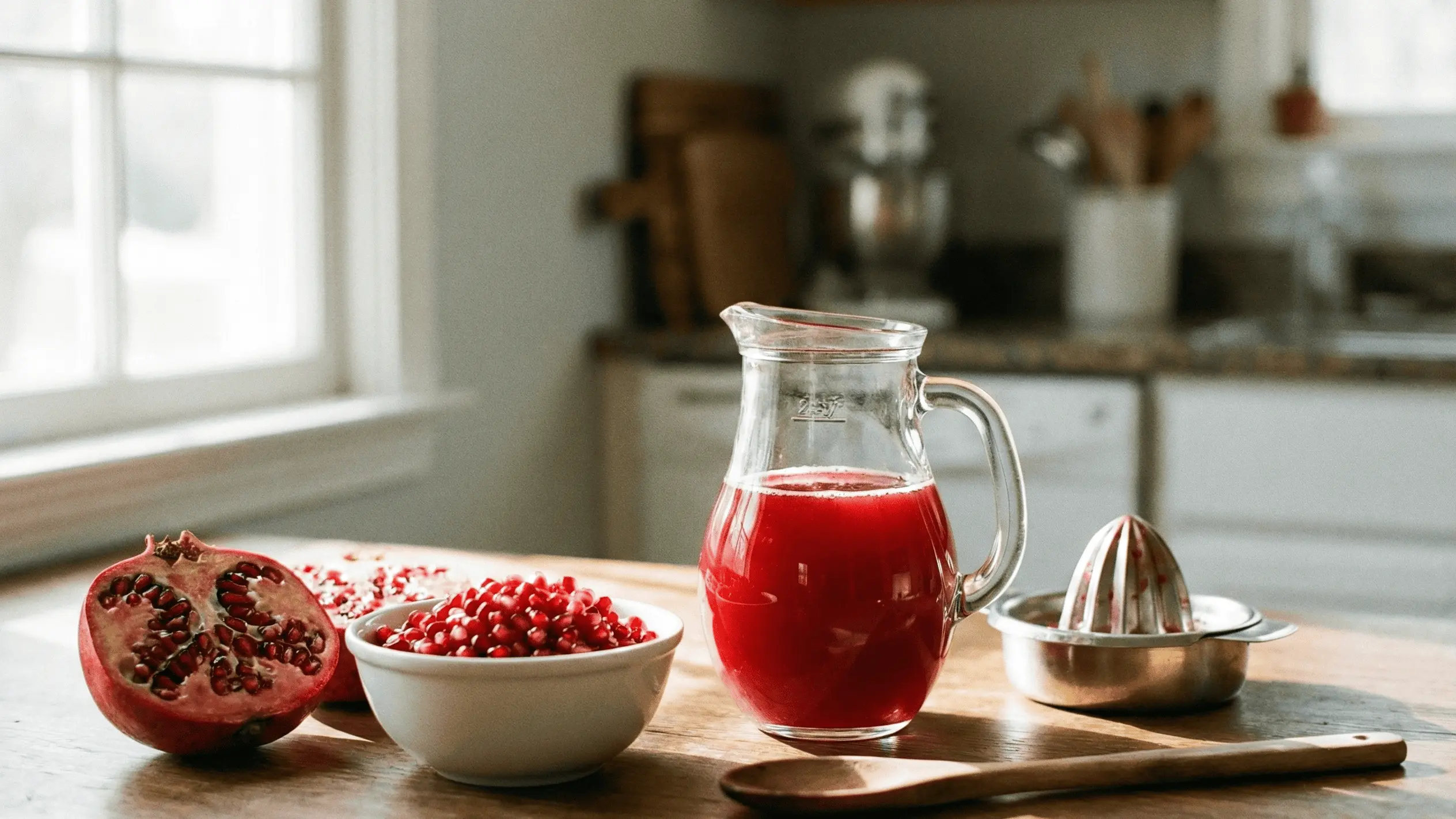
Wie man Granatapfelsaft macht
Es gibt etwas tief Befriedigendes daran, seinen eigenen Fruchtsaft herzustellen. Die leuchtenden Farben, die frischen Aromen und der reine, unverfälschte Geschmack sind eine Welt entfernt von gekauften Kartons. Unter den vielen Früchten, die man entsaften kann, hebt sich der Granatapfel als echtes Juwel hervor. Seine tief rubinroten Kerne ergeben einen Saft, der nicht nur optisch besticht, sondern auch mit einem komplexen, süß-säuerlichen Geschmack und einer Fülle von gesundheitlichen Vorteilen aufwartet.
Während das Greifen einer Flasche aus dem Supermarktregal bequem ist, ist der Geschmack von frisch gepresstem Granatapfelsaft unübertroffen. Er ist leichter, spritziger und hat nicht die gelegentlich süßliche Süße von verarbeiteten Produkten. Wenn man ihn selbst zubereitet, hat man zudem die volle Kontrolle darüber, was hineinkommt – kein zusätzlicher Zucker, keine Konservierungsstoffe, nur reine, natürliche Güte.
Diese Anleitung führt Sie durch alles, was Sie wissen müssen, um diesen flüssigen Schatz in Ihrer eigenen Küche zuzubereiten. Von der Auswahl der perfekten Frucht bis hin zu kreativen Möglichkeiten, Ihren hausgemachten Saft zu genießen, behandeln wir alle Schritte, um den Prozess einfach, lohnend und sauber zu gestalten.
Warum Granatapfelsaft wählen? Ein Blick auf die gesundheitlichen Vorteile
Granatapfelsaft ist mehr als nur ein leckeres Getränk; er ist ein Nährstoffkraftwerk. Seit Jahrhunderten wird diese alte Frucht wegen ihrer medizinischen Eigenschaften verehrt. Die moderne Wissenschaft hat viele dieser Vorteile inzwischen bestätigt und sie somit zu einer lohnenden Ergänzung einer gesunden Ernährung gemacht.
Eine seiner am meisten gefeierten Eigenschaften ist seine hohe Konzentration an Antioxidantien. Granatäpfel sind vollgepackt mit kraftvollen Verbindungen wie Punicalaginen und Anthocyanen, die dazu beitragen, die Zellen Ihres Körpers vor Schäden durch freie Radikale zu schützen. Diese antioxidative Wirkung kann zur Reduzierung von Entzündungen beitragen, die eine Ursache vieler chronischer Krankheiten sind.
Der Saft ist auch für seine herzgesunden Eigenschaften bekannt. Studien deuten darauf hin, dass er helfen kann, den Blutdruck zu senken, den Cholesterinspiegel zu verbessern und die allgemeine Herz-Kreislauf-Funktion zu unterstützen. Er ist reich an Vitaminen, insbesondere Vitamin C und Vitamin K, die für die Immununterstützung bzw. Blutgerinnung unerlässlich sind. Dieses wunderschöne Glas magentafarbenen Saftes ist also nicht nur ein Genuss für Ihre Geschmacksknospen, sondern ein Hoch auf Ihr Wohlbefinden.
Auswahl der perfekten Granatäpfel
Die Qualität Ihres Saftes beginnt an der Quelle. Die Wahl der richtigen Granatäpfel ist der Schlüssel zu einem köstlichen, geschmackvollen Ergebnis. Wenn Sie auf dem Markt sind, achten Sie auf Folgendes:
- Gewicht und Form Ein guter Granatapfel sollte sich für seine Größe schwer anfühlen. Diese Schwere ist ein guter Indikator dafür, dass die Kerne im Inneren prall und saftig sind. Achte auf Früchte, die eher eckig oder an den Seiten leicht abgeflacht sind, anstatt perfekt rund. Wenn die Kerne anschwellen, drücken sie gegen die äußere Haut und erzeugen diese kantige Form.
- Hautzustand: Lassen Sie sich nicht von kleinen Schönheitsfehlern oder oberflächlichen Kratzern abschrecken. Entgegen der landläufigen Meinung sind die aromatischsten Granatäpfel nicht immer diejenigen mit makelloser, einheitlich roter Schale. Achten Sie auf eine feste und straffe Schale mit einer tiefen, satten Farbe. Leichtes natürliches Braun oder sogar kleine, verheilte Risse können ein Zeichen für perfekt reife, süße Kerne im Inneren sein. Vermeiden Sie Früchte mit weichen Stellen, Schimmel oder großen, tiefen Schnitten.
- Klang Klopfen Sie leicht auf den Granatapfel. Er sollte einen metallischen Klang erzeugen, was darauf hindeutet, dass die Kerne saftig und nicht ausgetrocknet sind.
Obwohl Granatäpfel normalerweise von Herbst bis Frühwinter Saison haben, ermöglicht ihre dicke Schale eine lange Lagerung. Das bedeutet, dass man auch außerhalb der Hauptsaison oft Früchte guter Qualität finden kann.
Wichtige Werkzeuge für die Saftpresse
Sie benötigen keine Sammlung ausgefallener Geräte, um Granatapfelsaft herzustellen. Der Vorgang kann mit einfacher Küchenausstattung bewerkstelligt werden.
- Eine Große Schüssel Dies wird Ihr Hauptarbeitsplatz zum Entkernen des Granatapfels sein. Eine große, tiefe Schüssel ist ideal, um eventuelle Spritzer aufzufangen.
- Ein Schälmesser Ein kleines, scharfes Messer ist perfekt, um die Schale des Granatapfels einzuritzen, ohne zu tief in die Kerne zu schneiden.
- Ein Dörrgerät Ein Standard- oder Hochgeschwindigkeitsmixer funktioniert perfekt. Ziel ist es, die Granatapfelkerne gerade so lange zu pulsieren, bis der Saft freigesetzt ist, ohne die harten inneren Kerne zu zerkleinern.
- Ein Sieb oder Seiher mit feiner Masche: Dies ist entscheidend, um den Saft vom Fruchtfleisch und zerdrückten Samenresten zu trennen. Ein Doppelsieb ist noch besser, um eine glattere, fruchtfleischfreie Konsistenz zu erzielen.
- Ein Spatel oder ein Löffel Ein flexibler Gummischaber ist besonders nützlich, um das Fruchtfleisch gegen das Sieb zu drücken und jeden letzten Tropfen Saft herauszuholen.
Granatapfelsaft selber machen: Eine Schritt-für-Schritt-Anleitung
Die Herstellung von Granatapfelsaft umfasst zwei Hauptphasen: das Extrahieren der Arillen (Kerne) und das anschließende Auspressen. Lassen Sie uns das in einfache, überschaubare Schritte zerlegen.
Teil 1: Entkernen des Granatapfels (Die schmutzfreie Methode)
Das Entkernen eines Granatapfels hat den Ruf, eine schmutzige Aufgabe zu sein, die Flecken verursacht. Die “Unterwassermethode” ist jedoch ein Gamechanger, der Ihre Küchenarbeitsplatten (und Ihre Kleidung) sauber hält.
- Bereiten Sie Ihre Station vor: Füllen Sie eine große Schüssel mit kaltem Wasser. Halten Sie Ihr Schälmesser und ein Schneidebrett bereit. Es ist trotzdem ratsam, eine Schürze oder dunkle Kleidung zu tragen, nur für den Fall.
- Die Krone kürzen Legen Sie den Granatapfel auf das Schneidebrett. Schneiden Sie mit Ihrem kleinen Messer vorsichtig im Winkel einen Kreis um die Krone (den blütenartigen Vorsprung), als ob Sie einen Deckel aus einem Kürbis schnitzen würden. Entfernen Sie dieses obere Stück.
- Bewerten Sie die Haut: Sie sehen nun die inneren Fruchtteile, getrennt durch weiße Häutchen. Folgen Sie diesen natürlichen Trennlinien und schneiden Sie die Schale mit Ihrem Messer von oben nach unten ein. Machen Sie etwa vier bis sechs flache Einschnitte, gerade tief genug, um die zähe äußere Rinde zu durchdringen, aber nicht die inneren Kerne.
- Aufbrechen Ziehen Sie die Teile vorsichtig auseinander. Die Frucht sollte sich wie eine Blüte öffnen und die Büschel leuchtend roter Samenmäntel freigeben.
- Kerne entfernen unter Wasser Die Granatapfelstücke in Ihre Schüssel mit Wasser geben. Drücken Sie die Kerne mit den Daumen vorsichtig von der weißen Haut weg. Die Kerne sinken auf den Boden der Schüssel, während die bittere weiße Haut und Hautstücke oben schwimmen. Diese Technik verhindert nicht nur, dass Saft spritzt, sondern erleichtert auch die Trennung erheblich.
- Ablaufen und Sammeln: Sobald alle Kerne getrennt sind, schöpfen Sie die schwimmende Haut und Membran von der Wasseroberfläche ab. Gießen Sie den Inhalt der Schüssel durch ein Sieb, um das Wasser abtropfen zu lassen, sodass Sie eine schöne Sammlung sauberer Granatapfelkerne erhalten.
Teil 2: Die Arillen auspressen
Nun zum spaßigen Teil! Sie werden überrascht sein, wie schnell dieser Schritt gelingt. Aus 5-6 großen Granatäpfeln können Sie etwa 1 Liter (oder 4 Tassen) frischen Saft gewinnen.
- Mit Sorgfalt mischen: Gib die Granatapfelkerne in deinen Mixer. Der Trick dabei ist zu pulsieren, nicht zu zerkleinern. Mixe nur 15-20 Sekunden. Du möchtest die saftigen Hüllen der Kerne aufplatzen lassen, aber die harten, holzigen Samen weitgehend intakt lassen. Zu langes Mixen mahlt die Samen und kann dem Saft einen bitteren, holzigen Geschmack verleihen.
- Den Saft abseihen Stellen Sie Ihr feines Sieb über eine saubere Schüssel oder einen Krug. Geben Sie die pürierte Granatapfelmischung in das Sieb. Der Saft beginnt durchzutropfen, aber das Fruchtfleisch ist recht dickflüssig und kann den Vorgang verlangsamen.
- Drück das Fruchtfleisch: Benutzen Sie die Rückseite eines Spatels oder eines großen Löffels, um das Fruchtfleisch gegen das Sieb zu drücken. Bewegen Sie ihn in kreisenden Bewegungen, um den Saft durchzudrücken. Drücken Sie weiter, bis das Fruchtfleisch relativ trocken ist und Sie so viel Flüssigkeit wie möglich extrahiert haben.
- Servieren oder Aufbewahren: Dein frischer Granatapfelsaft ist nun fertig! Du kannst ihn sofort über Eis servieren oder für später aufbewahren.
Das Aufbewahren deines selbstgemachten Saftes
Frisch gepresster Granatapfelsaft schmeckt am besten sofort, aber er kann auch für die spätere Verwendung aufbewahrt werden. Gießen Sie den Saft in ein sauberes, luftdicht verschließbares Glas oder eine Flasche. Im Kühlschrank hält er sich gut für fünf bis sechs Tage. Möglicherweise bemerken Sie, dass sich am Boden etwas Bodensatz absetzt; das ist völlig normal. Schütteln Sie das Gefäß vor dem Servieren einfach sanft.
Für die längerfristige Lagerung lässt sich Granatapfelsaft wunderbar einfrieren. Gießen Sie ihn in Eiswürfelbehälter und frieren Sie ihn ein. Sobald er fest ist, geben Sie die Saftwürfel in einen gefriergeeigneten Beutel. Dies ist eine fantastische Möglichkeit, kleine Portionen zur Hand zu haben, die Sie zu Smoothies, Cocktails oder anderen Rezepten hinzufügen können.
Kreative Verwendungsmöglichkeiten für Granatapfelsaft
Während Ihr selbstgemachter Granatapfelsaft für sich allein köstlich ist, ist er eine unglaublich vielseitige Zutat. Hier sind ein paar Ideen zur Inspiration:
- Granatapfel Spritzer Für ein erfrischendes, alkoholfreies Getränk mischen Sie gleiche Teile Granatapfelsaft und Sprudelwasser. Geben Sie einen Spritzer frische Limette und ein paar Minzblätter für ein elegantes Finish hinzu.
- Geschmackvolle Smoothies Geben Sie Ihrem morgendlichen Smoothie einen Spritzer Granatapfelsaft hinzu. Er passt wunderbar zu Beeren, Bananen, Spinat und griechischem Joghurt.
- Lebendige Cocktails: Granatapfelsaft ist eine Hauptzutat in Cocktails. Verwenden Sie ihn für einen Granatapfel-Martini, einen Tequila Sunrise mit dem Extra-Kick oder mischen Sie ihn einfach mit Prosecco für eine festliche Mimosa.
- Hausgemachte Granadine: Wusstest du, dass traditionelle Grenadine aus Granatäpfeln hergestellt wird? Köchle deinen frischen Saft mit etwas Zucker ein, bis er zu einem reichhaltigen, süßen Sirup reduziert ist. Er ist den knallroten, künstlich aromatisierten Varianten weit überlegen.
- Salatdressing und Marinaden: Granatapfelsaft mit Olivenöl, Balsamico-Essig, Dijon-Senf und einem Hauch Honig zu einer säuerlich-köstlichen Vinaigrette aufschlagen. Sie eignet sich auch gut als Marinadenbasis für Hähnchen oder Lamm.
Die Herstellung von eigenem Granatapfelsaft ist ein einfacher Genuss, der Sie mit unglaublichem Geschmack und gesundheitlichen Vorteilen belohnt. Er verwandelt eine scheinbar komplexe Frucht in ein vielseitiges, köstliches und tief nährendes Getränk. Probieren Sie es aus, und Sie werden vielleicht nie wieder zur Flaschenvariante zurückkehren.
 DE
DE  EN
EN  FR
FR  ES
ES  IT
IT